What Happens to Your Septic Tank During an Oklahoma Heat Wave?
Oklahoma summers are brutal, and July heat waves push temperatures well past 100 degrees for days at a time. Most homeowners think about their air conditioner during these stretches, but your septic tank is fighting its own battle under the surface. Extreme heat dries out the soil, stresses the bacteria inside your tank, and shifts the ground around your system. Clay soil across Rogers County, Tulsa County, and Wagoner County shrinks and cracks when moisture disappears, and that movement puts pressure on tanks, pipes, and drain field lines. Summer also brings more houseguests, more laundry, and more water use, which loads the system at the worst possible time. A septic tank that was working fine in April can show serious problems by the end of July. Understanding what heat does to your system helps you catch trouble early and avoid an expensive emergency. This guide explains exactly what happens to your septic tank during an Oklahoma heat wave and what you can do about it.
How Extreme Heat Affects Your Septic Tank in Oklahoma
Your septic system depends on stable soil moisture, healthy bacteria, and steady drainage to work properly. A heat wave attacks all three at once. The sun bakes the ground above your tank and drain field, drought pulls moisture out of the soil, and triple digit temperatures change how waste breaks down inside the tank. Oklahoma’s heavy clay soil makes these problems worse because clay expands when wet and shrinks when dry. That constant movement is hard on buried tanks and pipes. Meanwhile, the water leaving your house is warmer, and household water use often spikes during summer. Each of these factors alone is manageable; together, they can push an aging system past its limit. Here is a closer look at the three biggest ways extreme heat affects your septic tank.
How Extreme Heat Dries Out the Soil Around Your Septic Tank
Soil moisture is the first casualty of an Oklahoma heat wave. When temperatures sit above 100 degrees for a week or more, the top layers of soil lose water fast through evaporation. Grass and trees pull even more moisture from deeper layers as they fight to survive. The soil around your septic tank and drain field can go from soft and workable to hard as concrete in a matter of days. This matters because your drain field relies on soil to absorb and filter wastewater. Dry, compacted soil absorbs water much more slowly than healthy soil. Effluent that should soak into the ground instead pools in the trenches or backs up toward the tank. Homeowners often notice slower drains during a heat wave without realizing the soil itself is the problem.
Clay soil creates a second, sneakier issue during dry spells. Clay shrinks as it loses moisture, and it can pull away from the walls of your septic tank and the pipes connected to it. This creates gaps and voids underground where none existed before. When the rain finally returns, water rushes into those gaps and the clay swells back up with force. That swelling can shift your tank, stress pipe joints, and crack older concrete tanks. Many septic leaks in northeast Oklahoma trace back to this shrink and swell cycle rather than any single event. The damage builds quietly over multiple summers. A tank that survived ten heat waves may fail during the eleventh.
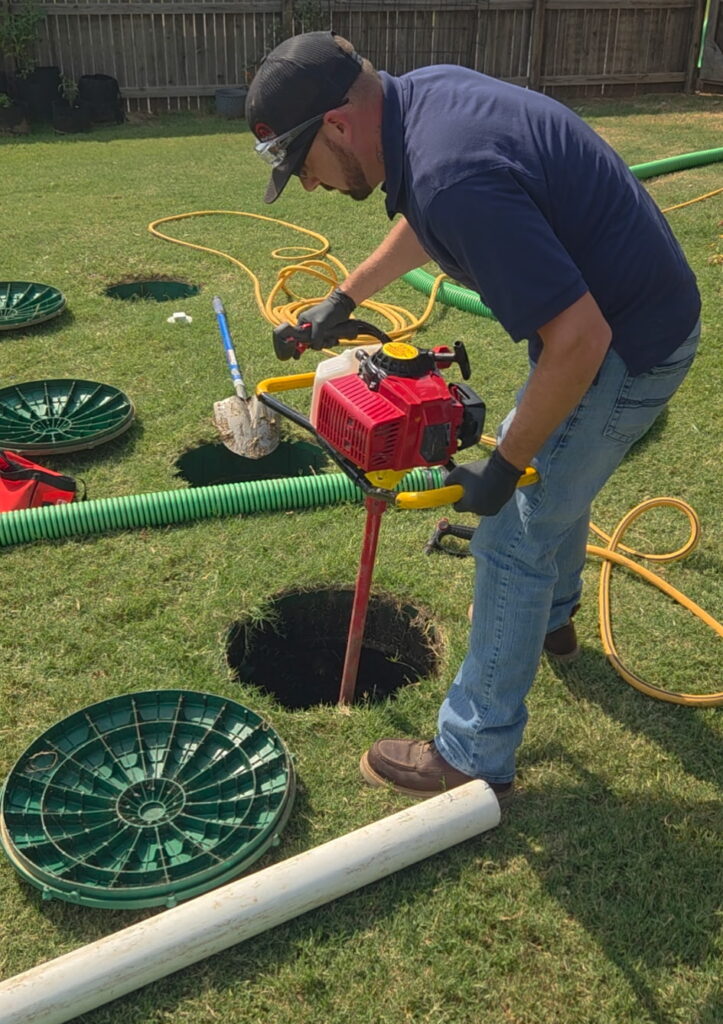
Dry soil also affects the biological treatment happening in your drain field. The final stage of wastewater treatment depends on microbes living in the soil beneath your trenches. Those microbes need moisture to survive and process contaminants. When drought kills off soil microbes, the effluent leaving your system is less treated than it should be. This raises the risk of groundwater contamination on your property. It also means your drain field has to work harder once conditions improve. Deep watering the area over your drain field during extreme drought can help, but overwatering creates its own problems. If your drains slow down every summer, your drain field may need professional attention. Click here for our septic drain field service at https://martinsepticok.com/services/septic-drain-field-service/ to get it evaluated.
How Extreme Heat Changes Bacteria Activity Inside Your Septic Tank
The bacteria inside your septic tank do the heavy lifting of breaking down solid waste. These microbes are sensitive to temperature, and a heat wave changes their behavior in real ways. Moderate warmth actually speeds up bacterial digestion, which sounds like good news. The problem is that faster digestion produces more gas, more activity in the sludge layer, and sometimes more odor escaping through vents and lids. Homeowners frequently report stronger septic smells during the hottest weeks of summer. That smell is often the first clue that the tank is working overtime. It can also signal that the tank is overdue for pumping and the gases have nowhere to go.
Extreme heat combined with heavy summer water use can also throw the tank out of balance. Kids home from school, houseguests, extra loads of laundry, and daily showers after yard work all add volume to the tank. When too much water flows through too quickly, solids do not have time to settle before liquid pushes out to the drain field. This sends sludge and scum where they should never go. Solids in the drain field clog the soil and shorten the life of the entire system. Hot weather makes this worse because the receiving soil is already dry and slow to absorb. A tank that has not been pumped in three or more years has less room to buffer these surges. High summer demand plus a full tank is a recipe for a backup.
Aerobic septic systems face their own heat wave challenges. These systems use an air pump to feed oxygen to bacteria, and that mechanical equipment runs hotter and harder in extreme temperatures. Compressors can overheat, spray heads can clog with mineral buildup from evaporating water, and alarm floats can stick. Oklahoma DEQ rules require aerobic systems to be maintained properly, and summer is when neglected units tend to fail. If your aerobic system alarm sounds during a heat wave, do not ignore it. The bacteria inside depend on that oxygen supply, and a dead compressor can crash the whole treatment process within days. Regular maintenance keeps these systems running through the worst heat Oklahoma can deliver.
How Extreme Heat and Drought Cause Septic Tank Ground Shifting
Ground movement is the most destructive thing a heat wave does to a septic system. Northeast Oklahoma sits on expansive clay soils that change volume dramatically with moisture. During a long drought, the soil around your tank can shrink several inches. Deep cracks open across yards in Inola, Claremore, Broken Arrow, and Owasso every summer. Those visible surface cracks reflect what is happening around your buried tank and pipes. Shrinking soil removes the support your system was installed on. Pipes that were bedded firmly in soil now hang partially unsupported. Tank inlets and outlets carry stress they were never designed to hold.
The real damage often shows up when the drought breaks. A sudden heavy rain after weeks of dry weather sends water pouring into soil cracks and voids. The clay swells rapidly and unevenly, pushing against tanks and pipes from new directions. Concrete tanks can crack at seams, pipe connections can separate, and distribution boxes can tilt out of level. A tilted distribution box sends all your wastewater to one section of drain field instead of spreading it evenly. That one section then floods and fails while the rest sits unused. These failures rarely announce themselves right away. Many homeowners discover the damage months later when sewage surfaces in the yard.
Older systems and shallow installations are the most vulnerable to heat related ground shifting. A tank installed decades ago may already have hairline cracks that summer soil movement turns into open leaks. Cracked tanks leak wastewater into the surrounding soil and let groundwater seep in, which overloads the drain field. Root intrusion also accelerates during drought because tree roots aggressively seek out the moisture inside septic pipes. Roots enter through the smallest gaps that soil shifting creates. If you notice new soggy spots, sunken areas over your tank, or sewage odors after the first big rain, your system may have shifted or cracked. Suspect heat damage to your tank or lines? Click here for our septic repair service at https://martinsepticok.com/services/septic-repair/ and get it checked before it gets worse.
Signs Your Septic Tank Is Struggling During a Heat Wave
Heat damage to a septic system usually gives warning signs before a full failure. The trouble is that summer symptoms are easy to blame on other things. Homeowners write off dead grass as drought, slow drains as a clog, and odors as the neighbor’s trash. Learning to read these signals correctly can save you thousands of dollars. A struggling system caught early often needs only pumping or a minor repair. The same system ignored through August may need a new drain field. Watch your yard, your drains, and your nose during every heat wave. The three signs below are the most common ways an Oklahoma septic tank tells you it is in trouble.
Sewage Odors Are a Sign Your Septic Tank Is Struggling in the Heat
Smell is the most immediate warning sign during hot weather. Heat speeds up the breakdown of waste inside your tank, which produces more hydrogen sulfide and methane gas. A healthy, recently pumped system vents these gases through the plumbing stack on your roof, high above your nose. A struggling system lets them escape at ground level. Odors near the tank lids often mean the tank is too full and gases are pushing past the seals. Odors over the drain field suggest effluent is rising too close to the surface. Odors inside the house point to a backup forming in the line or dried out drain traps. Each location tells a different story, and none of them should be ignored.
Hot, still summer air makes septic odors more noticeable and more persistent. Gas that would disperse on a breezy spring day hangs around your patio during a 103 degree afternoon. Many homeowners first notice the problem during a backyard barbecue or an evening on the porch. Do not assume the smell will fade on its own. Persistent sewage odor almost always means the tank needs pumping, a component has failed, or wastewater is surfacing somewhere. Walk your yard and look for damp spots, extra green grass patches, or standing water near the drain field. Note where the smell is strongest and at what time of day. That information helps a septic professional diagnose the issue faster.
There is also a health angle to summer septic odors that homeowners should take seriously. Sewage gases in enclosed spaces can cause headaches and nausea, and surfacing effluent carries bacteria that are dangerous to kids and pets. Hot weather means children playing outside barefoot and dogs digging in the yard. Wastewater pooling at the surface during a heat wave is a genuine hazard, not just a nuisance. Keep everyone away from wet or smelly areas until the system is inspected. Mark the spot and call a professional promptly. Fast action protects your family and usually means a smaller, cheaper repair. A quick pump out solves many odor problems in a single visit.
Slow Drains Are a Sign Your Septic Tank Is Struggling in the Heat
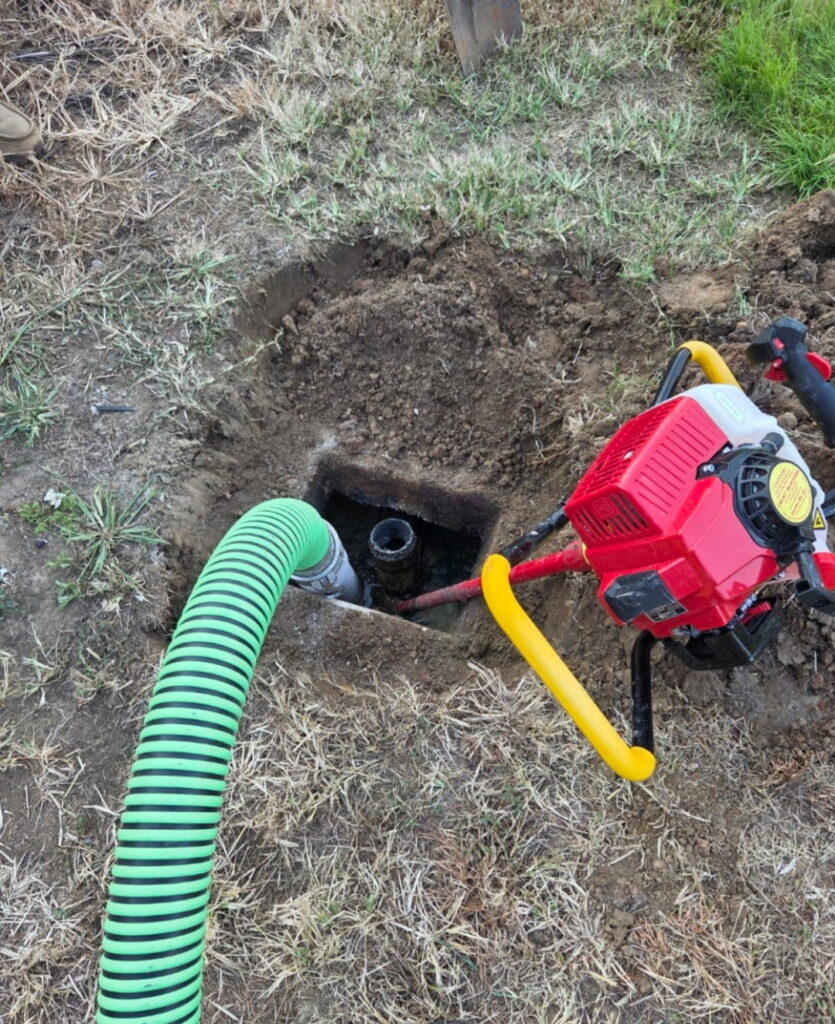
Slow drains during a heat wave often get blamed on hair clogs or grease, but the real cause is frequently outside the house. When baked, compacted soil cannot absorb effluent fast enough, the drain field stays saturated. Water backs up from the field to the tank, and the tank has no room to accept new wastewater from the house. The result is sinks that gurgle, tubs that drain slowly, and toilets that flush weakly. If one drain is slow, you probably have a simple clog. If every drain in the house is sluggish at the same time, your septic system is the likely culprit. That pattern is the single most reliable way to tell the difference.
Summer water habits make this problem worse in ways most families never consider. School is out, guests visit, and daily showers multiply after time in the heat. Filling a kiddie pool, backwashing a pool filter, or running extra laundry loads sends hundreds of additional gallons into the tank. A system designed for a family of four suddenly handles the load of six or eight people. The dry, slow draining soil cannot keep up with that surge. Spreading laundry loads across the week instead of doing them all on Saturday gives your system breathing room. Fixing running toilets and dripping faucets matters more in summer than any other season. Small changes in water use can keep a stressed system on the right side of failure.
Pay attention to gurgling sounds, because they are the soundtrack of a septic system running out of capacity. Gurgling happens when air is trapped in drain lines by rising wastewater. You may hear it in a sink when the washing machine drains, or in the tub when a toilet flushes. Sewage backing up into the lowest drain in the house is the final stage, and by then you have an emergency on your hands. Do not wait for that moment. Slow drains plus gurgling plus any odor means the tank needs to be pumped and the system checked now. Martin Septic offers emergency septic service day or night because these failures do not wait for business hours. Acting at the first sign keeps sewage out of your home.
Dead Grass Over the Drain Field Is a Sign Your Septic Tank Is Struggling
Your lawn is a live report on the health of your drain field, and summer makes it easier to read. During a heat wave, most of your yard will go brown and dormant, which is normal for Oklahoma grass. The area over a healthy drain field usually browns at the same rate as everything else. Trouble shows up as contrast. Stripes of lush, dark green grass over the drain field lines during a drought mean effluent is feeding the roots because it is not draining downward properly. That extra green looks nice, but it signals wastewater sitting too close to the surface. In a working system, effluent disperses deep enough that the grass above gets no special advantage.
The opposite pattern matters too, and it is easier to miss. Grass over the drain field that dies faster and harder than the rest of the yard can indicate soil problems in the trenches. Severely compacted or biologically clogged trench soil holds heat and starves roots. Sunken strips or depressions along the drain field lines suggest trenches are collapsing or pipes have shifted with the soil. Spongy or squishy ground during a drought is the most serious sign of all. If the rest of your yard is cracked and hard but one area stays soft and wet, that moisture is coming from your septic system. Walk your drain field a few times each summer and note any changes. Photos on your phone make it easy to compare month to month.
What you do above the drain field during a heat wave affects what happens below it. Never park cars, trailers, or equipment on the field, because dry clay transfers crushing weight straight to the pipes. Avoid heavy foot traffic and do not install pools or play equipment over the lines. Light, infrequent watering over the field can keep soil microbes alive during extreme drought without saturating the trenches. Keep trees and deep rooted shrubs far away, since drought pushes roots directly into your pipes in search of water. If you see surfacing water, strong green stripes, or sunken trenches, get the field inspected before fall rains arrive. Early drain field intervention is dramatically cheaper than replacement.
Why You Need Professional Septic Service Before Summer Damage Gets Worse
Heat wave damage compounds quickly, and small septic problems in July become expensive failures by September. The combination of dry soil, heavy household water use, and stressed bacteria pushes systems to their limit during Oklahoma summers. Professional service catches the problems you cannot see from the surface. A trained technician can measure sludge levels, check tank integrity, test the drain field, and spot ground shifting damage before it spreads. Waiting for a full backup means sewage in your yard or your home, plus emergency repair costs. Scheduling service during a heat wave is one of the smartest moves an Oklahoma homeowner can make.
Why You Need Septic Pumping During an Oklahoma Heat Wave
Pumping is the single best defense against heat wave septic failure. A tank full of sludge has no capacity to buffer summer water surges. Every extra shower and laundry load pushes solids toward the drain field. Pumping removes that sludge and restores the full working volume of your tank. It also gives the technician a direct look inside the tank for cracks, root intrusion, and baffle damage. Most Oklahoma households need pumping every three to five years, and summer stress shortens that window.
Pumping during a heat wave also relieves pressure on a struggling drain field. When the tank is empty, the field gets a break from constant inflow. That rest period lets saturated trench soil drain and recover. Bacteria in the field can rebound when they are not drowning in effluent. Many slow drain problems disappear completely after a pump out. It is the cheapest fix in the septic world and the one that prevents the most damage.
Timing matters, and mid summer is exactly when tanks hit their limits. Do not wait for odors or backups to schedule service. If you cannot remember your last pump out, you are overdue. Is your tank due for service this summer? Click here for our septic pumping service at https://martinsepticok.com/services/septic-pumping/ to schedule a visit. A single appointment now can carry your system safely through the rest of the heat.
Why You Need a Septic Inspection Before Heat Damage Spreads
An inspection finds heat wave damage while it is still small and repairable. Technicians check tank levels, measure sludge and scum layers, and examine inlet and outlet baffles for wear. They look for the cracks and shifted connections that drought soil movement causes. They also evaluate how well the drain field is accepting water. None of this is visible from your lawn. Problems found during an inspection cost a fraction of what the same problems cost after failure.
Inspections matter even more for aerobic systems during extreme heat. Compressors, spray heads, floats, and alarms all take a beating in triple digit temperatures. A technician can confirm the air pump is delivering proper oxygen and that the disinfection stage is working. DEQ certified professionals know exactly what Oklahoma regulations require for these systems. Catching a failing compressor early keeps the bacteria alive and the system compliant. Skipping maintenance on an aerobic unit through a hot summer is asking for a crash.
Buyers, sellers, and anyone noticing symptoms should inspect before the season ends. Fall rains will hide surface evidence and swell the soil back over cracks. What you can diagnose easily in August becomes a mystery in October. An inspection report also gives you a documented baseline for your system’s condition. That record helps with home sales, insurance questions, and future maintenance planning. Knowledge about what is underground is always cheaper than surprises.
Why Choose Martin Septic for Heat Wave Septic Service
Martin Septic is DEQ certified for both aerobic and conventional septic systems, which covers every type of system in northeast Oklahoma. Our crews are professionally trained, honest, and committed to full service solutions with no shortcuts. We know how Oklahoma clay soil behaves in a heat wave because we work in it every day. That local experience means faster diagnosis and repairs that actually last. We serve Inola, Tulsa, Broken Arrow, Claremore, Owasso, Coweta, and communities across the region. As a Tulsa Home Builders Association member, we hold our work to a professional standard.
Septic emergencies do not respect the clock, and neither do we. Martin Septic offers emergency septic service day or night, every day of the year. A backup at 10 PM on a Saturday gets the same response as a call on Tuesday morning. Heat waves cause failures at the worst times, and waiting until Monday can mean sewage in your home. Our team arrives with the equipment to pump, diagnose, and repair on the spot. You never have to face a septic emergency alone.
Every job starts with a free, no obligation estimate, so you know the cost before any work begins. We explain what we find in plain language and give you honest options, not pressure. From pumping and repairs to full installations and drain field service, we handle it all. Do not let this summer’s heat wave turn into fall’s expensive failure. Call Martin Septic today at (918) 640-2298 to schedule your pumping, inspection, or repair. Your septic system protects your home; let us protect your septic system.