Buying a Home With a Septic System? What the Inspection Report Won’t Tell You
Buying a home with a septic system is common across Oklahoma, especially in areas outside city sewer lines like Inola, Verdigris, and Claremore. Most buyers assume the standard home inspection covers the septic system, but it usually does not. A general home inspector may run water for a few minutes and glance at the yard, and that is often the extent of it. Even a dedicated septic inspection report has limits that most buyers never learn about until problems appear months later. Summer is peak home buying season, and it is also the season when septic problems hide best because dry soil masks drainage failures. Sellers know this, and some count on it. Before you close on a home with a septic system, you need to understand what the paperwork actually tells you and what it leaves out. This guide explains both sides so you can protect your investment.
What a Septic Inspection Report Covers When Buying a Home
A septic inspection report is a snapshot of the system on one specific day. A qualified inspector locates the tank, opens the lids, checks liquid levels, and evaluates the visible components. The report will note the tank material, the condition of the baffles, and any obvious signs of backup or surfacing sewage. Many reports also include a dye test or a hydraulic load test to see how the system handles water. In Oklahoma, the Department of Environmental Quality sets standards for septic systems, and a good inspector will flag anything that clearly violates those standards. This information is valuable, and no buyer should skip it. The problem is that buyers often treat the report as a full health record when it is really more like a quick physical. Knowing what the report covers helps you understand where its blind spots begin.
The Septic Inspection Report and the Tank Itself
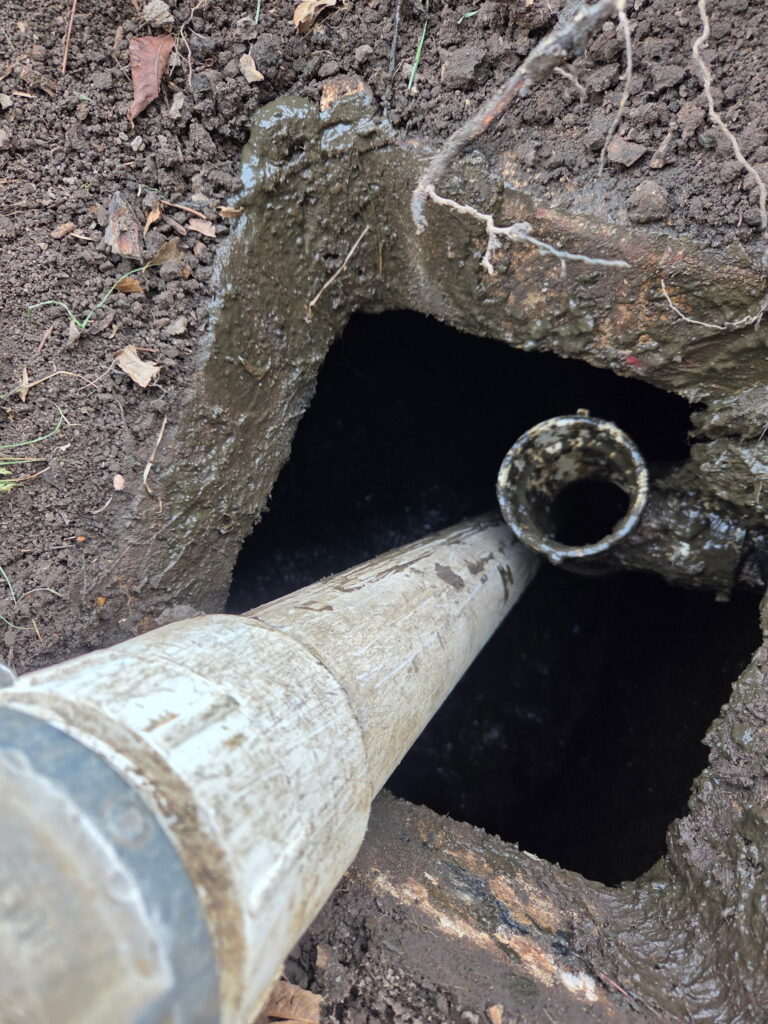
The tank is the centerpiece of any septic inspection report, and inspectors spend most of their time on it. They measure the scum layer on top and the sludge layer on the bottom to judge how full the tank is. They check the inlet and outlet baffles, which control the flow of wastewater and keep solids from escaping into the drain field. A cracked or missing baffle is one of the most common findings, and it is a repair worth negotiating before closing. The inspector also looks at the tank walls for cracks, corrosion, or signs of groundwater intrusion. Concrete tanks can deteriorate over decades, and older steel tanks are often rusted through at the bottom where nobody can see. The report will document the tank size, which matters because an undersized tank cannot handle a large family. All of this is useful, verifiable information that belongs in your buying decision.
What buyers often miss is that a tank can pass inspection and still be near the end of its life. An inspector reports what is visible on inspection day, not what the concrete will look like in five years. A tank that was pumped right before the inspection can look deceptively clean and healthy. Some sellers pump the tank specifically to hide evidence of chronic overloading or backup stains. An empty tank also makes it harder to evaluate how the system performs under a normal liquid load. Ask when the tank was last pumped and request receipts, because timing tells a story. If the tank was pumped two weeks before listing, treat that as a yellow flag worth investigating. A pumping record that shows regular service every three to five years is far more reassuring than one emergency pump right before the sale.
The report also cannot tell you how the previous owners treated the tank day to day. Years of flushing wipes, pouring grease down the drain, or using a garbage disposal heavily all shorten tank and drain field life. That damage accumulates in the drain field long before it shows up in the tank. An inspector can note current sludge levels, but there is no gauge for past abuse. This is why the tank portion of the report should be read as a starting point, not a verdict. If the report raises any questions about the tank, get a septic professional involved before you sign anything. Is the tank due for service before you move in? Click here for our septic pumping service and start your ownership with a clean baseline. A fresh pump after closing also gives you a documented service date for your own records.
The Septic Inspection Report and the Drain Field
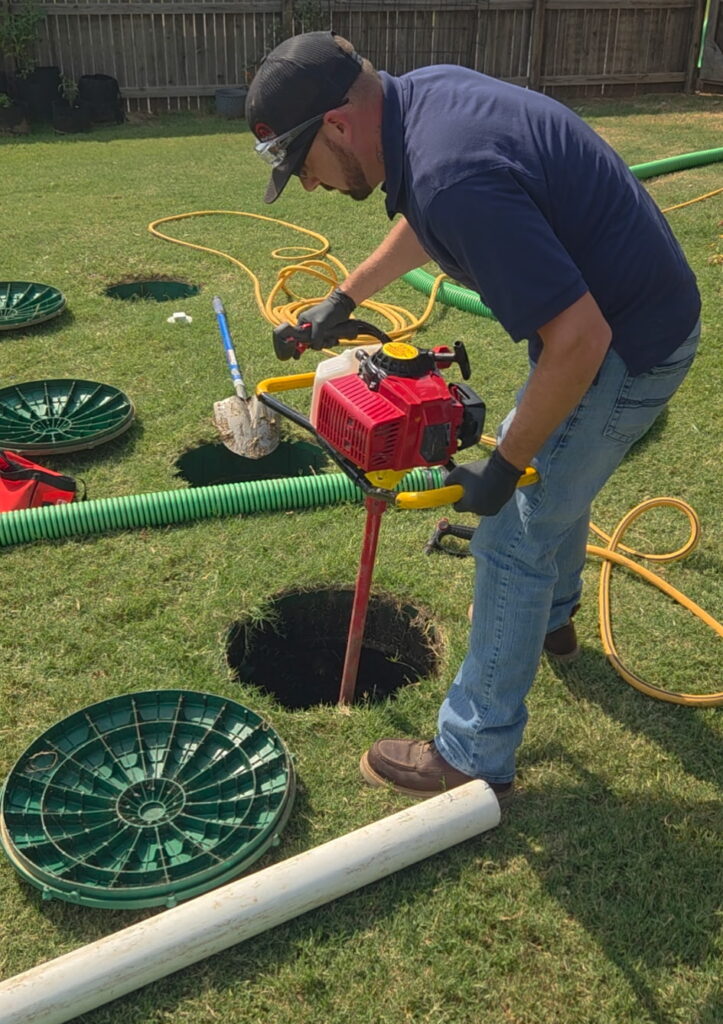
The drain field is where most septic systems actually fail, and it is also the part an inspection report covers least thoroughly. The drain field, sometimes called a lateral field, is a network of buried pipes that distributes treated wastewater into the soil. An inspector evaluates it mostly from the surface, looking for soggy spots, sewage odors, or grass that is suspiciously green and lush in stripes. A hydraulic load test pushes a set amount of water through the system to see how it drains, which is helpful but limited. The pipes themselves stay buried, so the inspector cannot see root intrusion, crushed lines, or biomat buildup inside the trenches. Biomat is the layer of biological material that slowly clogs the soil around the pipes over many years. Once biomat seals off the soil, the field stops absorbing water, and replacement is often the only fix. A report can say the field “appears functional” while the field is quietly in its final years.
Summer in Oklahoma makes drain field evaluation even trickier. Dry July soil absorbs water quickly, so a struggling field can pass a load test that it would fail in a wet March. Sellers who list in summer benefit from this, knowingly or not. A field that backs up every spring can look perfectly fine during a drought. This is why the date of the inspection matters as much as its findings. Ask neighbors and the seller directly about wet weather performance, and get answers in writing when possible. Look for subtle clues yourself, like patches of dead grass, tire ruts over the field, or downspouts draining toward the lateral lines. Vehicles parked over a drain field crush pipes and compact soil, and that damage rarely appears in any report.
The age of the drain field is the single most important fact the report may gloss over. Most conventional drain fields last 20 to 30 years, and many rural Oklahoma homes are pushing past that window right now. A field installed in the 1990s could function today and fail within your first two years of ownership. Replacing a drain field is one of the most expensive septic repairs a homeowner can face, often costing more than the tank itself. If the home you are buying has an aging field, budget for that reality instead of hoping the report’s clean bill of health holds. Signs of trouble after you move in should never be ignored, because early intervention can sometimes save part of the field. Seeing wet spots or smelling sewage in the yard? Click here for our septic drain field service and get an honest evaluation before small problems become total failure.
The Septic Inspection Report and System Permits
Permits and records are the paper trail behind every septic inspection report, and buyers rarely ask about them. In Oklahoma, septic systems require DEQ approval, and the original permit tells you the system type, size, and installation date. A thorough inspector will try to pull these records, but many reports simply note that records were unavailable. Missing records are common on older rural properties, and they create real risk for buyers. Without a permit, you cannot verify that the system was designed for the home’s current bedroom count. A home that was expanded from two bedrooms to four may still have a septic system sized for two. That mismatch overloads the system and can put you on the wrong side of DEQ regulations after you buy.
Unpermitted repairs and additions are another gap the report cannot always catch. A previous owner may have added a bathroom, extended a drain line, or replaced a tank without any DEQ involvement. These modifications might work fine, or they might violate setback rules from wells, property lines, or creeks. If the system contaminates a well or a neighbor’s property, the current owner bears responsibility, and that owner will soon be you. Ask the seller for every record they have, including pumping receipts, repair invoices, and any DEQ correspondence. A seller who kept records is usually a seller who maintained the system. A seller with nothing on paper is asking you to buy on faith.
Aerobic systems deserve special attention in the permit review because they carry ongoing requirements. Many newer Oklahoma homes use aerobic treatment units, which include electrical components, aerators, and sometimes spray irrigation. These systems often require maintenance contracts and periodic reporting, and lapsed contracts are a red flag. An inspection report may confirm the aerator runs on inspection day without confirming that required maintenance ever happened. Verify the maintenance history directly with the servicing company when possible. If the system needs modifications to meet current standards, get pricing before closing so you can negotiate. A DEQ certified septic company can review the records and tell you exactly where the system stands. That single conversation can save you thousands at the negotiating table.
What the Septic Inspection Report Won’t Tell You About Future Costs
The biggest gap in any septic inspection report is the future. A report documents present condition; it does not forecast lifespan, estimate remaining capacity, or predict how the system will handle your household. A retired couple selling to a family of six leaves behind a system about to work three times harder than it ever has. The report will not model that change. It also will not price out the repairs it recommends, and inspection findings without repair costs are hard to negotiate with. Buyers deserve to know what ownership will actually cost over the next decade, not just what works today. This section covers the cost questions the report leaves unanswered. Getting these answers before closing puts real leverage in your hands.
Septic Repair Costs the Inspection Report Won’t Estimate
Inspection reports identify problems, but they almost never attach dollar figures to them. A line that reads “outlet baffle deteriorated, recommend repair” could mean a few hundred dollars or could signal deeper structural issues in the tank. Buyers see a short list of findings and assume the fixes are minor, then discover the real scope after closing. Repair pricing depends on access, soil conditions, tank material, and how long the problem has been developing. A cracked lid is a simple swap; a cracked tank wall may mean full replacement. Root intrusion in a line might be cleared in an afternoon or might require excavating and replacing the entire run. The report cannot make these distinctions because the inspector’s job ends at documentation. Your job as a buyer is to convert those findings into numbers before you negotiate.
The smart move is to hand the inspection report to a septic repair company and request itemized estimates. Written estimates transform vague findings into concrete negotiating points with the seller. You can request repairs before closing, ask for a price reduction, or request funds in escrow to cover the work. Sellers respond to documented numbers far better than to general concerns. This step costs you little and routinely saves buyers thousands of dollars. It also tells you if the home fits your budget once septic costs are included. Some deals should not close at full price, and a repair estimate is often the evidence that proves it. Found problems in your inspection report? Click here for our septic repair service and get honest pricing before you sign.
Timing matters as much as pricing when repairs are on the table. Some repairs are urgent, and delaying them turns a fixable problem into a replacement project. A failing baffle lets solids flow into the drain field, and every month of delay shortens the field’s life. Other findings, like minor settling around a lid, can safely wait. An inspection report rarely ranks findings by urgency in a way buyers can act on. A septic professional can walk the property and tell you what needs attention in the first month versus the first five years. That prioritized plan becomes your maintenance roadmap as a new owner. It also prevents the panic spending that happens when buyers treat every finding as an emergency.
Septic System Lifespan the Inspection Report Won’t Predict
No inspection report will tell you how many years the system has left, yet lifespan is the number buyers need most. A conventional septic tank can last 40 years or more, but drain fields, pumps, and aerobic components wear out much sooner. A system can be fully functional on inspection day and still be 90 percent through its useful life. Think of it like buying a used truck with no odometer; running fine today says little about next year. The installation date is your best proxy for remaining life, so dig for it in permits, seller disclosures, and county records. Pair the age with the system type, because aerobic units have mechanical parts with their own replacement schedules. Aerators typically last several years, pumps last longer, and both fail without ceremony. Build these replacement cycles into your homeownership budget from day one.
Household size is the hidden variable that reshapes lifespan after every sale. Wastewater volume drives septic wear, and volume comes from people. A system that served one person for a decade accumulated very little sludge and stressed the field lightly. Move in a family with teenagers, daily laundry, and long showers, and the same system faces a completely different workload. Water softener discharge, garbage disposals, and high efficiency washers all change the equation too. The inspection report evaluated the system under the old household, not yours. If your family is larger than the sellers’, plan for more frequent pumping and watch the drain field closely the first year. An early conversation with a septic company about your household size produces a realistic service schedule instead of guesswork.
Sometimes the honest answer is that the existing system will not serve your plans, and buyers deserve that answer before closing. Adding bedrooms, building a shop with a bathroom, or installing a pool changes the demands on a septic system. Oklahoma DEQ ties system sizing to bedroom count, so an addition can legally require a system upgrade. If you are buying a property with expansion in mind, get a design consultation before you commit. Knowing that a future addition requires a new lateral field changes what the property is worth to you. Planning changes or facing a system at the end of its life? Click here for our septic installation service and get real numbers for your plans. A new, properly designed system also becomes a selling point when you eventually move.
Septic Maintenance History the Inspection Report Won’t Reveal
An inspection report captures one day; maintenance history captures decades, and the second matters more. Two identical systems installed the same year can be in wildly different condition based on how they were treated. Regular pumping every three to five years keeps solids out of the drain field and doubles its effective life. Skipped pumping does the opposite, sending sludge into the lateral lines where it clogs soil permanently. The report cannot detect this history because the evidence is buried in the field, not floating in the tank. Your best tools are documents and conversations. Ask the seller for pumping receipts, ask the listing agent for disclosure details, and ask neighbors what they know. Rural neighbors often know exactly which houses have had honey wagons in the driveway and how often.
Chemical abuse is another invisible chapter of maintenance history. Years of harsh drain cleaners, excessive bleach, or additives marketed as tank treatments can kill the bacteria a septic system depends on. A dead tank does not digest waste; it just stores it and passes solids downstream. Paint, solvents, and medications flushed over the years leave no trace an inspector can see. The bacterial health of a tank recovers with good habits, but the drain field damage from years of poor digestion does not reverse. When you tour the home, look under sinks and in the garage for clues about what the owners poured down their drains. A shelf full of chemical drain openers tells you something the report never will. Factor those observations into your offer the same way you would factor in a roof’s age.
The absence of records should shape your first year of ownership. If you close on a home with no septic history, treat the system as unknown and establish your own baseline immediately. Schedule a pumping soon after moving in so a professional can evaluate the tank empty and document its true condition. Mark the tank and field locations on a property map before landscaping or fencing projects begin. Start a simple file with dates, receipts, and observations, because that file protects your resale value later. Set a recurring reminder for your next pumping based on your household size. Good records turn septic ownership from a series of surprises into a predictable routine. The buyers who struggle most are the ones who repeat the previous owner’s silence.
Why You Need a Professional Septic Evaluation Before Buying a Home in Oklahoma
A standard inspection report is a starting point, not a finish line, and Oklahoma buyers who stop there take on real risk. A professional septic evaluation from a DEQ certified company goes deeper than a checklist. It connects the system’s age, records, condition, and your household plans into one honest picture. That picture tells you what to negotiate, what to budget, and sometimes what to walk away from. The cost of a thorough evaluation is tiny compared to the cost of a failed drain field discovered after closing. Protect the biggest purchase of your life with information the report alone cannot give you.
A Septic Evaluation Protects Your Home Purchase Budget
Septic failures rank among the most expensive surprises a new homeowner can face. Drain field replacement, tank replacement, or a full system redesign can each cost more than most buyers keep in savings after closing. A professional evaluation identifies these risks while you still have negotiating power. Sellers routinely cover repairs or reduce prices when presented with documented findings and written estimates. Once you close, every one of those costs belongs to you alone. Spending a little before closing is how smart buyers avoid spending a fortune after.
The evaluation also protects you from overpaying for a property with a dying system. Two similar homes can differ by tens of thousands of dollars in true value once septic condition is factored in. Appraisers rarely account for a drain field in its final years because that information never reaches them. You are the only person in the transaction with the incentive to uncover it. An honest evaluation gives you the facts appraisals and disclosures miss. That knowledge either saves you money at the table or saves you from the wrong house entirely.
Budget protection continues after the purchase too. A professional evaluation produces a prioritized maintenance plan matched to your household size and the system’s actual condition. You will know when to pump, what to watch, and which components are nearest to replacement. Predictable costs are manageable costs, even for major components. Emergency repairs at midnight cost more than planned service ever does. The evaluation is the difference between managing your septic system and being ambushed by it.
A Septic Evaluation Prevents Health and Property Hazards
A failing septic system is not just a financial problem; it is a health hazard for your family. Untreated sewage carries bacteria, viruses, and parasites that contaminate soil and standing water. Children and pets playing in a yard over a failing drain field face direct exposure. Sewage backups inside the home damage flooring, drywall, and belongings while creating serious sanitation risks. A professional evaluation catches the early warning signs before your family moves onto the property. No inspection savings are worth gambling with those risks.
Well water contamination is the most serious hazard on many rural Oklahoma properties. Homes with septic systems often have private wells, and a failing system can send contaminants into the same groundwater the well draws from. DEQ setback rules exist precisely because of this risk, and older or unpermitted systems sometimes violate them. An evaluation checks the relationship between the septic system and the well, not just each in isolation. Testing well water before closing is a wise companion step. Clean water is the one feature of a home you can never compromise on.
Property hazards extend beyond health into the land itself. Chronic septic surfacing kills landscaping, erodes soil, and creates legal exposure if sewage crosses property lines. Oklahoma law holds owners responsible for systems that pollute neighboring land or waterways. Buying a problem means buying its liability. A professional evaluation documents system boundaries and confirms the discharge stays where it belongs. That documentation protects your relationships with neighbors and your standing with regulators alike.
Why Choose Martin Septic for Your Pre Purchase Septic Evaluation
Martin Septic is DEQ certified for both aerobic and conventional septic systems, which covers every system type you will encounter in the Tulsa area housing market. Our crews are professionally trained and committed to honest answers, even when the honest answer is not what a buyer hopes to hear. We provide full service septic solutions with no shortcuts, from evaluation to pumping to complete installation. As a Tulsa Home Builders Association member, we understand both construction standards and real estate timelines. Buyers on a closing deadline get fast, thorough service. You get the truth about the system before you own it.
We serve buyers and homeowners across the region, including Tulsa, Broken Arrow, Owasso, Claremore, Bixby, Jenks, Coweta, Collinsville, Catoosa, Wagoner, Verdigris, and Pryor Creek. Local experience matters in septic work because soil conditions, system ages, and permitting histories vary from one community to the next. Our team knows the systems common to each area and the problems they develop. Every estimate we provide is free with no obligation, so getting real numbers before closing costs you nothing. That is information every buyer deserves.
Emergencies do not wait for business hours, and neither do we. Martin Septic offers emergency septic service day or night, which matters most in your first months of ownership when surprises are likeliest. From your pre purchase evaluation through decades of maintenance, we aim to be the last septic company you ever need to call. Buying a home with a septic system in the Tulsa area? Call Martin Septic at (918) 640-2298 for a free, no obligation estimate. Reach us anytime at info@martinsepticok.com or visit us at 29184 S 4170 Rd, Inola, OK 74036.