Is Your Sprinkler System Slowly Drowning Your Drain Field?
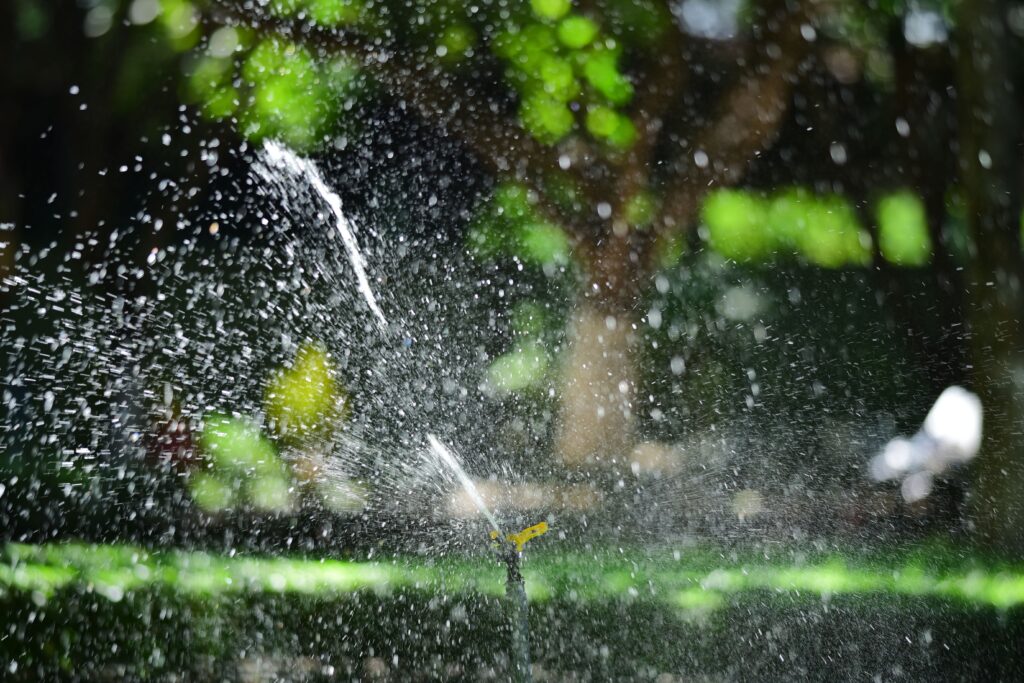
Summer in Oklahoma means green lawns, hot afternoons, and sprinkler systems running on a schedule. Most homeowners never think about where all that irrigation water actually goes once it soaks past the grass roots. If your sprinkler heads spray over or near your septic drain field, that water is loading soil that was designed to stay relatively dry. A drain field only works when the soil around it can absorb wastewater from your septic tank; saturated soil cannot do that job. Over weeks and months of daily watering, your irrigation system can quietly push your drain field toward failure. The symptoms show up slowly, which is why so many homeowners miss the connection until sewage backs up or the yard turns swampy. This post explains how sprinkler systems damage drain fields, what warning signs to watch for, and how to protect your septic system this summer.
How a Sprinkler System Damages a Septic Drain Field
Your drain field is a network of perforated pipes buried in gravel trenches, and it depends on unsaturated soil to filter and absorb effluent from your septic tank. Every gallon of irrigation water that lands on that area competes with wastewater for the same soil capacity. When sprinklers run daily during a hot Oklahoma July, the soil never gets a chance to dry out and recover. Wastewater then has nowhere to go, so it either pools at the surface or backs up toward the house. The damage is gradual, which makes it easy to blame other causes like heavy rain or an aging tank. Understanding the mechanics helps you spot the problem before it becomes a full drain field replacement. If you suspect trouble already, click here for our septic drain field service and get a professional evaluation.
Sprinkler Overspray Saturates Drain Field Soil
Soil absorbs water at a fixed rate, and that rate is called the percolation rate. Drain fields are sized and installed based on that number, with the assumption that rainfall is the only outside water source hitting the area. A sprinkler zone that covers part of the drain field adds hundreds of gallons per week that the original design never accounted for. Sandy soil might handle some of that extra load, but much of northeast Oklahoma sits on clay soil that drains slowly. Clay holds moisture for days, so back to back watering cycles never allow the trenches to breathe. Once the soil pores fill with irrigation water, effluent from the tank rises instead of spreading downward. That rising effluent is what creates soggy patches, foul odors, and unusually lush green stripes over the trench lines. Those stripes look healthy, but they are a warning sign of a drain field under stress.
Saturation also starves the drain field of oxygen, and oxygen matters more than most homeowners realize. Aerobic bacteria in the upper soil layers do the final treatment of wastewater, breaking down pathogens and organic material before the water reaches groundwater. Those bacteria need air pockets in the soil to survive and work. When irrigation water fills every pore, the environment turns anaerobic and the beneficial bacteria die off. Treatment quality drops, and a black slimy layer called a biomat thickens along the trench walls. A thick biomat seals the soil and slows absorption even further, creating a downward spiral. The drain field then fails faster with every watering cycle. Reversing biomat damage is difficult, so prevention is far cheaper than repair.
The timing of irrigation makes the problem worse in summer. Many homeowners water in the early morning and again in the evening to fight the heat, which doubles the daily load on the soil. Meanwhile, household water use often rises in summer too, with extra laundry, more showers, and guests visiting. The drain field gets hit from both directions at once, above from the sprinklers and below from the tank. Evaporation helps a little during hot afternoons, but it cannot keep pace with a system dumping water at dawn and dusk. Oklahoma summer thunderstorms add sudden heavy rainfall on top of everything else. A drain field that could handle any one of these factors alone gets overwhelmed by all three together. That combination is why drain field problems spike in July and August across the Tulsa area.
Sprinkler Line Leaks Flood the Drain Field Underground
Not all irrigation damage comes from the spray you can see. Buried sprinkler lines crack, fittings loosen, and valves stick open, and these leaks release water directly into the soil around your drain field. A small underground leak can lose thousands of gallons per month without any visible geyser in the yard. Because the water enters below the surface, it saturates the trench zone even faster than overspray does. Homeowners often discover these leaks only when their water bill jumps or a section of lawn stays permanently wet. If that wet section sits over the drain field, the septic system takes the hit first. Effluent has no dry soil to move into, and backups follow. Any unexplained soggy area near your septic components deserves immediate investigation.
Pressurized irrigation lines can also physically disturb the drain field structure itself. Trenchers and shovels used during sprinkler installation sometimes cut through drain field pipes or crush them, especially when the installer never asked where the septic components were located. A crushed lateral line stops distributing effluent evenly, forcing one section of the field to absorb everything. That overloaded section fails quickly while the rest of the field sits unused. Even careful installations can cause harm when heavy equipment drives over the trenches and compacts the gravel bed. Compacted soil loses the pore space needed for absorption and oxygen exchange. Before any irrigation work happens on your property, the drain field boundaries should be marked and protected. A septic site plan or a professional locate service prevents expensive accidents.
Leaking sprinkler valves and backflow devices near the septic area create a slow, constant trickle that never lets the soil rest. Unlike a scheduled watering cycle that ends, a stuck valve runs around the clock. Even a slow drip adds up to hundreds of gallons over a week, all concentrated in one spot. If that spot overlaps the drain field, one corner of the system stays flooded permanently. You may notice a persistent sewage smell in that area because saturated trenches push gases upward instead of venting them through dry soil. Check your irrigation controller and walk your zones monthly during summer to catch stuck valves early. Listen for hissing near valve boxes and look for water seeping when the system should be off. Ten minutes of inspection can save a drain field worth many thousands of dollars.
Poor Sprinkler Design Sends Runoff Toward the Drain Field
Sometimes the sprinkler heads never touch the drain field directly, yet the drain field still drowns. Grading and slope decide where water travels after it hits the ground. A lawn that slopes toward the septic area funnels runoff from every zone uphill of it. Heavy clay soil sheds water instead of absorbing it, so a large share of your irrigation output can end up pooling right over the trenches. Zones that overwater, heads that mist in the wind, and run times set too long all increase that runoff volume. The drain field becomes the low collection point for the whole yard. Homeowners see standing water there and assume the septic system failed on its own. In reality, the irrigation layout created the flood.
Good sprinkler design treats the drain field as a no spray zone with a buffer around it. Heads should be placed so their throw radius stops short of the septic area, and rotor patterns should be adjusted to arc away from it. Drip irrigation near flower beds should never be routed across the trenches. Swales or shallow grading changes can redirect runoff around the field instead of into it. If your system was installed before the septic system, or the installer never knew the septic layout, an audit is worth the time. Most irrigation contractors can adjust heads and rezone coverage in a single visit. That small investment protects a drain field that costs far more to replace. Coordinating both systems is basic property protection in septic country.
New construction and major landscaping projects are the moments when these design mistakes usually happen. Builders add irrigation late in the project, after the septic system is already buried and out of sight. Without accurate as built drawings, sprinkler trenches get routed by guesswork. This is where professional septic design pays off, because a documented layout tells every future contractor exactly where the protected zones sit. Martin Septic provides septic design and engineering services that give you those records from day one. Keep a copy of your system diagram with your home documents and share it before any digging. Call 811 before excavation too, though remember that utility locators do not mark private septic components. Protecting the drain field starts with knowing precisely where it is.
Warning Signs Your Drain Field Is Waterlogged From Irrigation
A drowning drain field rarely fails overnight; it sends signals for weeks or months first. The challenge is that these signals look like ordinary summer lawn issues, so homeowners water more instead of investigating. Learning the specific warning signs helps you separate irrigation damage from normal seasonal changes. Slow drains inside the house, odors outside, and texture changes in the lawn all tell a story when you read them together. Catching the problem early often means a repair or a habit change instead of a full drain field replacement. The three signs below are the most common ones our crews see across Tulsa, Broken Arrow, Claremore, and the surrounding communities every summer.
Soggy Grass Over the Drain Field Signals Saturation
Walk your drain field area barefoot or in thin shoes on a day when the sprinklers have been off for several hours. Healthy trenches should feel like the rest of the yard, firm and dry on top. If the ground feels spongy, squishes underfoot, or holds standing water in low spots, the soil below is saturated. Pay attention to how long wet spots linger after a watering cycle or a rainstorm. Normal lawn areas dry within hours in July heat, while a waterlogged drain field stays damp for days. Bright green stripes that follow straight lines across the yard mark the trench locations where effluent is feeding the grass. Mushrooms and algae growth in those stripes confirm constant moisture. These surface clues appear well before sewage ever backs up into the house.
Compare the drain field zone to the rest of your lawn under the same watering schedule. If one area stays lush and wet while identical grass twenty feet away dries normally, the difference is coming from below. That difference is effluent rising because irrigation water already filled the soil. Some homeowners respond by cutting sprinkler time only in that zone, and sometimes that alone lets the field recover. Turn off any sprinkler zone covering the septic area for two weeks and watch what happens. If the sogginess fades, you found your culprit and a simple rezoning fixes it. If the ground stays wet with the sprinklers off, the field itself may be failing and needs professional attention. Either way, you learned something valuable at zero cost.
Do not ignore soggy ground because it involves real health risks, not just lawn damage. Surfacing effluent contains bacteria and viruses that are dangerous to children and pets playing in the yard. Mosquitoes breed in the standing water, adding another summer nuisance on top of the hazard. Foot traffic and mower wheels compact wet soil, which permanently reduces its ability to absorb anything. Keep people, pets, and equipment off the saturated area until it is evaluated. Mark it with flags if needed so family members know to avoid it. A drain field showing surface effluent should be inspected promptly by a licensed septic professional. Waiting through the rest of summer usually turns a manageable problem into a major one.
Slow Drains and Backups Point to a Drowned Drain Field
The plumbing inside your house is the other place a waterlogged drain field announces itself. When the trenches cannot accept water, the septic tank fills higher than normal and everything upstream slows down. You will notice tubs draining sluggishly, toilets flushing weakly, and gurgling sounds coming from drains after the washing machine empties. These symptoms often appear first at the lowest fixtures in the house, like a basement floor drain or a ground floor shower. Many homeowners reach for drain cleaner, but chemicals cannot fix a hydraulic problem underground. If multiple fixtures slow down at the same time, the issue sits past the house plumbing entirely. That whole house pattern is the classic signature of a septic system under stress. Take it seriously the first time it happens.
Pay attention to timing patterns, because irrigation related backups follow the sprinkler schedule. Drains that gurgle in the morning after the early watering cycle, then improve by evening, point straight at soil saturation. Rainy weeks make the symptoms worse; dry stretches with the sprinklers off make them better. Track these patterns for a week in a notebook or on your phone. That record helps a septic technician diagnose the problem quickly and accurately. It also separates a drowning drain field from other causes like a clogged inlet baffle or a full tank. A tank that simply needs pumping produces steady symptoms regardless of weather or watering. Symptoms that swing with water input point to the field.
A true sewage backup into the house is the final stage, and it demands immediate action. Stop using water, shut down the irrigation system, and call a professional right away. Backed up sewage damages flooring, drywall, and belongings, and cleanup costs climb fast. Pumping the tank provides temporary relief by creating storage space, but it does not fix saturated soil. The field needs time to dry, and the water sources overloading it must be removed. Sometimes the trenches recover fully once irrigation is redirected; sometimes sections need repair or replacement. A professional assessment tells you which situation you have. Click here for our septic repair service if your drains are backing up now.
Sewage Odors Outside Reveal Drain Field Overload
Your nose is one of the best diagnostic tools you own. A properly working drain field produces no smell at the surface because soil bacteria treat the effluent below ground. When irrigation water saturates the trenches, gases and partially treated wastewater push upward instead. The result is a distinct sewage or rotten egg odor hanging over the drain field, especially in the evening when the air is still. You may notice it strongest right after a sprinkler cycle ends. Guests sometimes smell it before homeowners do, since people grow accustomed to gradual changes at their own property. Take any recurring outdoor sewage smell seriously. It means untreated effluent is reaching the surface or getting close to it.
Locate the smell by walking the yard slowly at different times of day. Odor concentrated over the trench lines confirms drain field saturation rather than a different source. Check the tank lids too, since a loose or cracked lid can release odor and mislead you. Vent pipes on the roof normally carry septic gases up and away, so smells at ground level are abnormal. Wind can move odors around, which is why multiple checks matter more than one sniff test. Note where and when the smell appears in the same log you use for drain symptoms. Combined with soggy ground and slow drains, odor completes the diagnostic picture. Three signs together leave little doubt about what is happening underground.
Odors also matter for your relationships with neighbors and for property value. A yard that smells like sewage every July evening becomes a real problem in neighborhoods across Owasso, Bixby, Jenks, and Coweta where homes sit close together. Prospective buyers notice septic odors instantly during showings, and inspectors flag them in reports. Fixing the cause early protects both your comfort and your investment. In many cases the fix is simply moving irrigation away from the field and letting the soil recover through late summer. More advanced saturation may call for pumping, jetting, or trench repair. A licensed septic company can pinpoint the cause with a site evaluation. Do not mask the smell with lime or deodorizers and hope it resolves itself.
Why You Need a Professional Drain Field Evaluation This Summer
Summer is peak stress season for Oklahoma drain fields, with irrigation, heavy household use, and thunderstorms all hitting at once. A professional evaluation now catches saturation damage while it is still reversible. Technicians measure tank levels, inspect the field, and identify exactly how much of the problem comes from your sprinkler system. That knowledge lets you make one targeted fix instead of guessing and rewatering your way into a replacement. Drain field replacements cost thousands of dollars and tear up your yard for days. An inspection costs a fraction of that and often prevents it entirely.
A Drain Field Evaluation Finds Problems Before Failure
A trained technician sees things a homeowner walkthrough misses. They check effluent levels in the tank to see if water is flowing out at a healthy rate. They probe the soil over the trenches to measure moisture at depth, not just at the surface. Distribution boxes get opened and inspected for even flow across all laterals. These checks reveal early saturation long before sewage ever surfaces. Early detection is the entire difference between a small fix and a major project.
The evaluation also separates irrigation damage from other causes with similar symptoms. Root intrusion, crushed pipes, a failed baffle, and a full tank can all mimic a drowning field. Treating the wrong cause wastes money and lets the real problem grow. A professional diagnosis gives you a clear answer backed by measurements. You leave the visit knowing exactly what is wrong and what it will cost to fix. That certainty is worth the service call by itself.
Documentation from a professional evaluation protects you down the road too. Written inspection records help with insurance claims, real estate disclosures, and warranty questions. They also create a baseline, so future inspections can show change over time. Homeowners in Claremore, Catoosa, Verdigris, and Pryor Creek increasingly ask for these records at sale time. A documented history of care signals a well maintained system to any buyer. It is a small habit that pays off for years.
Pairing Drain Field Care With Septic Pumping Protects Your System
Pumping and field care work together, and summer is a smart time for both. Removing accumulated sludge from the tank keeps solids from washing into the drain field lines. Solids that escape the tank clog the gravel and soil, compounding any saturation damage from irrigation. A tank pumped on schedule gives the field the cleanest possible effluent to absorb. Most households need pumping every three to five years, and heavy summer use shortens that interval. If you cannot remember your last pump out, you are probably due.
Pumping also gives the technician a direct look at how your system is coping. High water levels at arrival suggest the field is not accepting flow. Signs of backflow from the outlet line confirm saturated trenches downstream. These observations turn a routine pump out into a valuable checkup. You get maintenance and diagnosis in one visit. That efficiency saves both money and time.
Combine pumping with simple summer habits and your system gets real relief. Shift sprinkler schedules away from the drain field, fix leaking fixtures, and spread laundry loads across the week. Every gallon you keep out of the soil is capacity the field gets back. Small changes add up quickly in July heat. Ready to get on a schedule? Click here for our septic pumping service and book your summer pump out.
Why Choose Martin Septic for Drain Field Service
Martin Septic is DEQ certified for both aerobic and conventional septic systems, so our crews understand every system type in the region. We deliver full service septic solutions with no shortcuts, from evaluation and pumping to repair and complete drain field service. Our technicians are professionally trained and honest, and they explain findings in plain language. You get straight answers about what your system needs and what it does not. That approach has built our reputation across Rogers, Tulsa, and Wagoner counties. Ethos matters to us on every single job.
We serve homeowners throughout the Tulsa metro, including Broken Arrow, Owasso, Bixby, Jenks, Collinsville, Coweta, Catoosa, Claremore, Verdigris, Wagoner, and Pryor Creek. As a Tulsa Home Builders Association member, we work with both established homes and new construction. Emergency septic service is available day or night, because backups never wait for business hours. When your drain field floods on a Saturday evening, we answer. Local roots mean fast response times across our service area. Your neighbors already trust us with their systems.
Every estimate from Martin Septic is free with no obligation, every time. You can get your drain field evaluated this summer without spending a dime to learn where you stand. If your sprinkler system has been drowning your drain field, now is the time to act, before saturation turns into failure. Visit us at 29184 S 4170 Rd, Inola, OK 74036, or email info@martinsepticok.com. Call Martin Septic today at (918) 640-2298 to schedule your free drain field evaluation.