How to Extend the Life of Your Septic System
A septic system is one of the larger investments tied to your property, and replacing one is a significant expense most homeowners would rather avoid. The encouraging news is that a well-cared-for system can serve a home reliably for decades. The difference between a system that fails early and one that lasts a generation almost always comes down to how it is treated over the years.
Extending the life of your system is less about any single dramatic step and more about consistent, sensible care. A handful of good habits, combined with regular professional attention, protect both the tank and the components around it from the kind of wear that leads to early failure. The sections below walk through how long a system is built to last and the practical things you can do to reach, or exceed, that lifespan.
Know How Long Your System Is Built to Last
A properly installed and well-maintained septic system can commonly last anywhere from twenty-five to thirty years or more, though the exact figure depends heavily on the materials, the design, and the conditions it operates in. Knowing the rough lifespan of your particular setup helps you plan ahead and recognize when components are reaching the end of their useful life rather than being caught off guard by a sudden failure.

The tank itself often outlasts everything else. Concrete tanks, which are common today, can last forty years or longer when they stay structurally sound and free of cracks. Older steel tanks have a shorter life because they are prone to rust and corrosion over time, while plastic and fiberglass tanks tend to hold up well for many years. The material your tank is made from is a major factor in how long the heart of the system will keep working.
The drain field is usually the limiting component, and it is the part most homeowners end up replacing first. With good care a drain field generally lasts twenty to thirty years, but neglect can cut that dramatically. Aerobic systems add mechanical parts such as aerators and pumps that may need servicing or replacement sooner than the tank, which is one reason these systems benefit from a regular service plan. Understanding which part is likely to age first tells you where to focus your attention.
Keep Up With Pumping and Inspections
Nothing protects a septic system’s lifespan more reliably than staying on a regular pumping schedule. Most households need pumping every three to five years, though that interval shifts with family size, water use, and tank capacity. Pumping removes the accumulated sludge before it can escape the tank and migrate into the drain field, which is exactly the kind of damage that shortens a system’s life and leads to early, expensive replacement.
Routine inspections are the quieter half of the equation. A professional inspection checks the tank walls and baffles, measures the sludge and scum levels, and looks for early warning signs that are easy to miss from above ground. Catching a small crack, a failing baffle, or an early drainage issue during a routine visit is far cheaper and less disruptive than discovering it during a full backup or system failure.
Keeping records of your service history pays off over the long run. Noting when the tank was last pumped, what an inspector found, and any repairs that were made gives you and your septic professional a clear picture of how the system is aging. That history makes it easier to set the right maintenance interval, spot trends before they become problems, and demonstrate the system’s condition if you ever decide to sell the home.
Treat Your Drain Field as the Heart of the System
Because the drain field is so often the first part to fail, protecting it is one of the most effective ways to extend the life of the entire system. The field works by letting liquid soak slowly into the surrounding soil, so anything that compacts that soil or damages the buried lines undermines its ability to do its job. Keeping vehicles, heavy equipment, and storage off the field prevents the soil compaction that crushes lines and reduces absorption.

Roots and water management are the other two big threats. Trees and large shrubs planted near a drain field send roots searching for moisture, and those roots can infiltrate and clog the lines over time. Planting deep-rooted vegetation well away from the field, and choosing grass over trees directly above it, helps keep the lines clear. Just as important is directing roof downspouts, gutters, and surface runoff away from the field so it does not stay saturated.
A saturated drain field cannot absorb wastewater properly, which forces liquid to back up and accelerates failure. Good surface drainage around the field, combined with mindful water use inside the home, keeps the soil in a condition where it can keep doing its job for decades. Since replacing a drain field is one of the most expensive repairs a septic owner can face, this is the area where preventive care pays off the most.
Manage Your Household’s Water Load
Every gallon of water that enters your septic system has to be processed and absorbed, so the volume your household sends down the drain has a direct effect on how long the system lasts. Pushing too much water through at once does not give solids enough time to settle in the tank, which means they can flow out to the drain field and clog it prematurely. Managing that hydraulic load is a simple but meaningful way to ease the strain.
Spreading water use out over time makes a real difference. Running several loads of laundry across the week instead of all in one day, staggering showers and dishwasher cycles, and avoiding sudden heavy surges all help the system keep up. These small adjustments cost nothing and reduce the daily demand the tank and drain field have to handle.
Fixing leaks and upgrading to efficient fixtures lightens the load even further. A running toilet or a dripping faucet can quietly send hundreds of gallons of extra water into the system, and over months and years that adds up to significant unnecessary wear. Water-efficient toilets, faucets, and showerheads cut the total volume your system processes, which translates directly into a longer working life.
Invest in Professional Maintenance and Smart Habits
What goes into the system matters as much as how it is maintained. Keeping grease, wipes, harsh chemicals, and other non-degradable or bacteria-killing items out of your drains protects the biological balance the system depends on. Many additives marketed as septic boosters are unnecessary for a healthy system, and some can do more harm than good, so it is worth checking with a professional before pouring anything new into your tank.
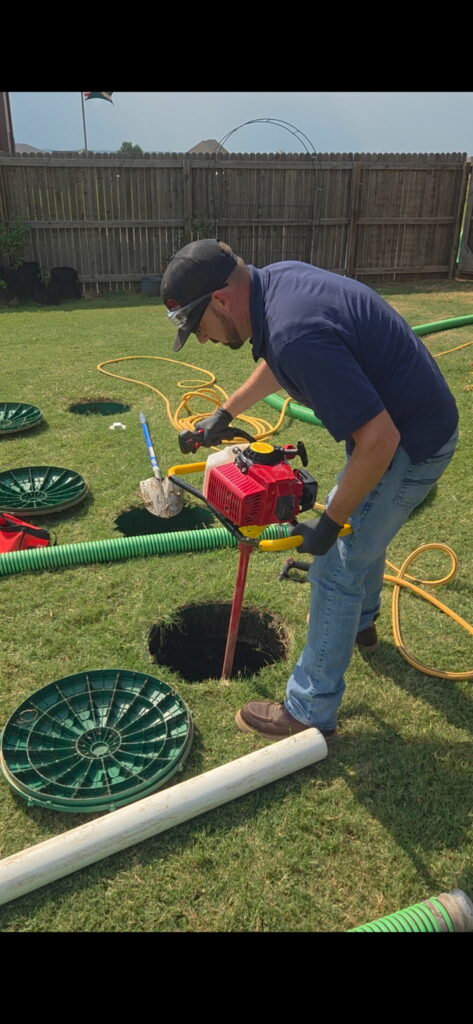
A maintenance plan takes much of the guesswork out of long-term care. This is especially true for aerobic systems, which have mechanical components that need regular attention to keep functioning. Martin Septic offers a recurring service plan for aerobic systems that handles the ongoing upkeep, and as a company certified in both conventional and aerobic systems, the team can recommend the right level of care for whatever setup you have.
Working with an experienced local company also means small problems get caught early, before they turn into the kind of failures that cut a system’s life short. Martin Septic is a family-owned, fully licensed and insured business serving Inola, Claremore, Pryor, Broken Arrow, Owasso, Tulsa, and the surrounding Northeast Oklahoma communities. Whether you need a pumping, an inspection, or a maintenance plan, having a trusted professional in your corner is one of the best long-term investments you can make in your system.
Getting decades of dependable service out of a septic system is rarely about luck. It comes from understanding how long your system is meant to last, keeping up with pumping and inspections, protecting the drain field, managing your water use, and partnering with a professional who can catch problems early. None of these steps is complicated or expensive on its own, but together they add up to years of added life and thousands of dollars in avoided repairs.
If you are not sure where your system stands or it has been a while since your last service, a professional inspection is the easiest way to start protecting your investment. To schedule a pumping, ask about your system, or set up a maintenance plan, reach out to Martin Septic at (918) 640-2298 for a free quote and dependable septic care right here in Northeast Oklahoma.