
How Often Should You Pump Your Septic Tank? A Guide for Oklahoma Homeowners
If your home runs on a septic system, the tank buried in your yard is quietly doing important work every single day. It separates the solids from the wastewater your household produces, holds onto them, and sends the cleaner liquid out to the drain field to be absorbed into the soil. Over time, though, those solids build up, and if they are never removed the whole system starts to struggle. Pumping is the routine step that keeps everything flowing the way it should.
The tricky part for most homeowners is knowing when that step is actually due. Pump too rarely and you risk backups, drain field damage, and repair bills that dwarf the cost of routine service. Pump on a sensible schedule and your system can run smoothly and quietly for decades. The sections below break down how often pumping is typically needed, what changes that timeline, and how to recognize when your tank is asking for attention.
Why Regular Septic Pumping Matters
A septic tank is designed to hold waste only temporarily. Heavier solids sink to the bottom and form a sludge layer, lighter materials like grease and oils float to the top as a scum layer, and the liquid in the middle flows out to the drain field. The tank can only do its job as long as there is enough room for that separation to happen. When the sludge and scum layers grow too thick, solids start escaping into the drain field where they do not belong.

That is where the real damage begins. The drain field is the most expensive part of a septic system to replace, and it is not built to handle solid waste. Once solids clog the soil and the perforated lines that distribute the liquid, the ground loses its ability to absorb water. A drain field that fails this way often cannot be cleaned out and restored, which means a full replacement that can run into the thousands.
Routine pumping prevents that chain reaction before it ever starts. By removing the accumulated sludge and scum on a regular schedule, you keep the tank working as designed and protect the components downstream from it. It is one of the lowest-cost, highest-value things a septic owner can do, and it is far cheaper to stay ahead of than to recover from.
The General Rule for How Often to Pump
For most households, the widely accepted guideline is to have the septic tank pumped every three to five years. That range works well for an average family using a standard tank, and it gives plenty of margin before solids reach a level that could cause problems. If you are not sure when your tank was last serviced or you recently moved into a home with an existing system, somewhere in that window is a safe place to start.
That said, the three-to-five-year rule is a starting point, not a fixed law. Some homes genuinely need pumping more often, and a smaller number can stretch slightly longer between visits. The right interval depends on how much waste your household generates and how much capacity your particular tank has to absorb it. A large family in a modest tank will fill it far faster than a couple in an oversized one.
Aerobic septic systems, which are common across Northeast Oklahoma where the soil does not always allow a conventional setup, are a slightly different story. These systems have additional components that need regular attention beyond pumping, such as air filters and aerators, and they benefit from a recurring service plan rather than pumping alone. Whatever type of system you have, the safest approach is to have a professional check the sludge and scum levels and tell you exactly where you stand.
Factors That Affect Your Pumping Schedule
Household size is the single biggest variable. Every person in the home contributes to the wastewater load, so a busy household of five or six will reach the pumping threshold much sooner than a home with one or two residents. If your family has grown, taken in guests for an extended stay, or added a rental unit, your tank is working harder than it used to and your old schedule may no longer fit.
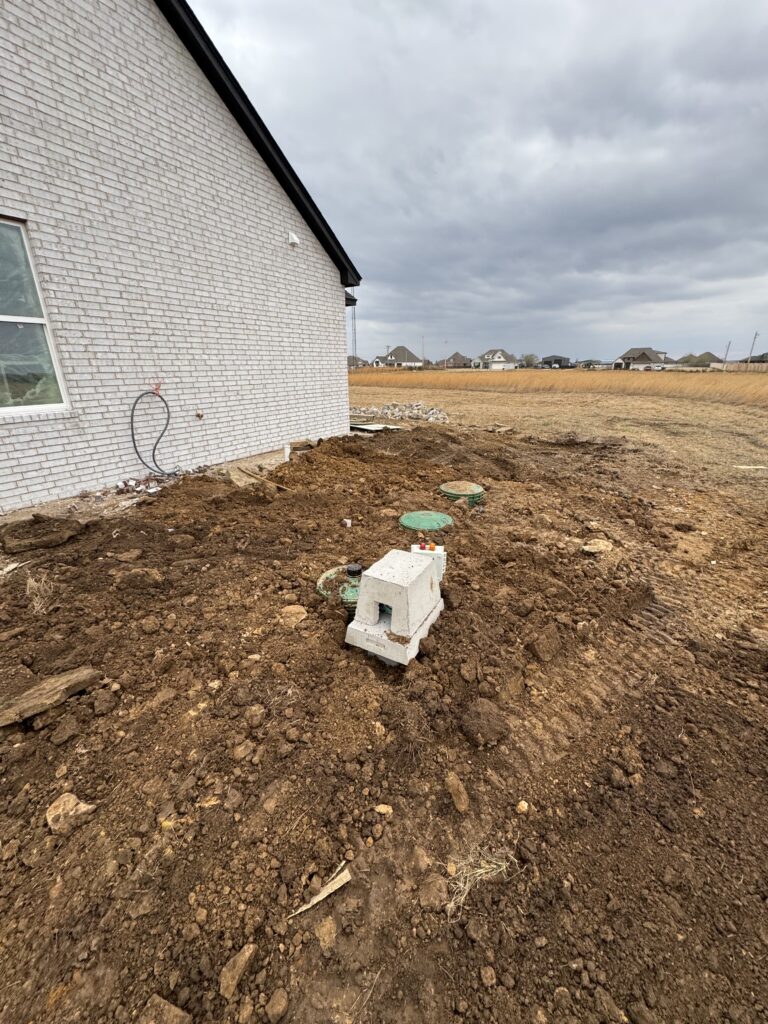
Water usage and what goes down the drain matter just as much as the number of people. Long showers, frequent laundry, and running a dishwasher daily all push more water through the system. Garbage disposals are a common culprit, because they send food solids straight into the tank and can dramatically speed up sludge buildup. Flushing wipes, grease, paper towels, and other items that do not break down properly will also fill a tank faster and increase the odds of a clog.
Local conditions play a role too, and that is especially true here in Oklahoma. The clay-heavy soils found across much of the region drain more slowly than sandy soils, which puts extra demand on a properly functioning tank and drain field. Tank size, the age and condition of the system, and even seasonal weather can all shift your ideal timeline. Because so many factors stack together, the most reliable schedule is one set after an actual inspection rather than a guess.
Warning Signs Your Tank Is Overdue
Sometimes a tank lets you know it needs service well before the calendar does, and learning to read those signals can save you from a messy emergency. The earliest and most common clue is slow drainage throughout the house. If sinks, tubs, and toilets all start draining sluggishly at the same time, that points to the septic system rather than a single clogged pipe. Gurgling sounds coming from the plumbing are another early hint that the tank is overfull.
Outside, your yard often tells the story before anything backs up indoors. Unusually lush, green grass growing directly over the drain field can mean liquid waste is surfacing and fertilizing the lawn from below. Soggy ground, standing water, or pooling near the tank or drain field on a dry day is a clear red flag. A persistent sewage odor in the yard or near drains inside the home is one you should never ignore.
The most serious sign is also the most obvious one: wastewater backing up into your home through the lowest drains or toilets. By the time that happens, the situation is well past due and is both a health hazard and a potential source of real damage. If you notice any of these symptoms, it is worth calling a septic professional promptly rather than waiting to see whether it clears on its own, because these problems tend to get worse, not better.
What to Expect From a Professional Pumping
A professional septic pumping is a straightforward job when it is handled by an experienced crew. The technician begins by locating and uncovering the tank lids, then measures the sludge and scum layers to confirm the tank is ready for service and to note how full it had become. That measurement is useful information, because it helps fine-tune how often your particular system should be pumped going forward.
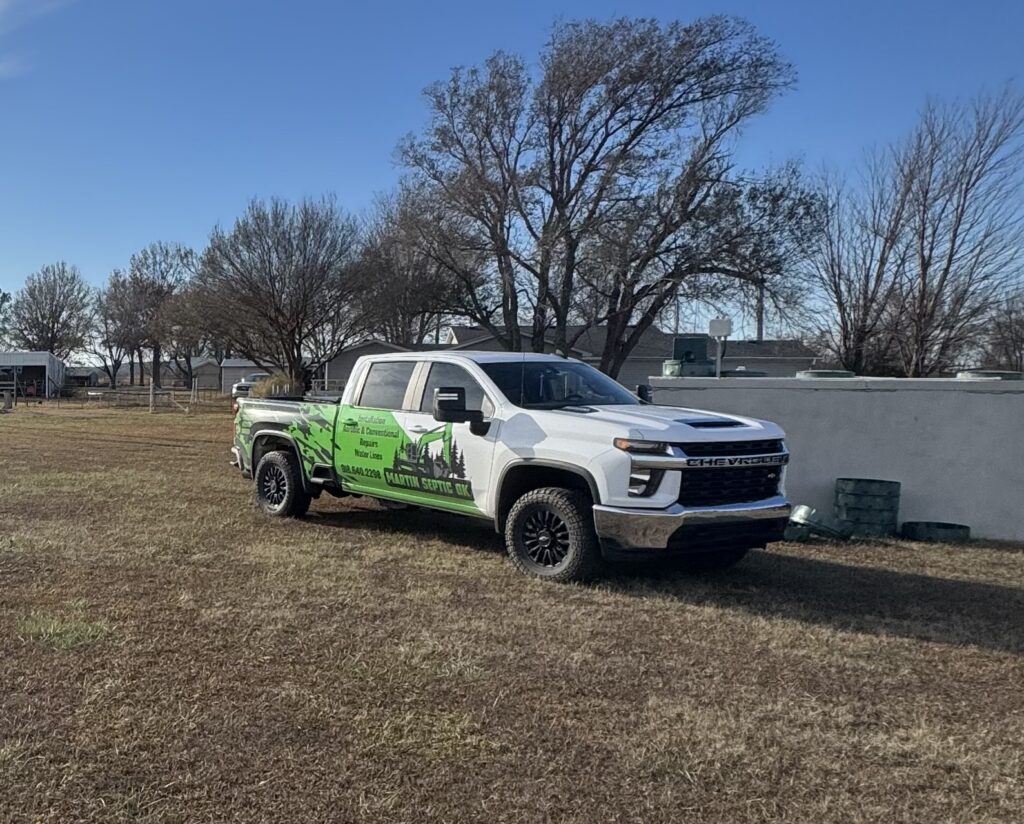
From there, a vacuum truck removes the accumulated solids and liquid from the tank, fully emptying it so the separation process can start fresh. A good technician does not stop at pumping, though. While the tank is open and empty, it is the ideal time to inspect the baffles, check the walls for cracks or leaks, and look for any early signs of trouble with the components. Catching a small issue during a routine visit is far better than discovering it during a failure.
This is exactly the kind of work Martin Septic handles for homeowners across Inola, Claremore, Pryor, Broken Arrow, Owasso, Tulsa, and the surrounding communities. As a local, family-owned, fully licensed and insured company certified in both conventional and aerobic systems, the team can pump your tank, inspect its condition, and help you set a maintenance schedule that fits your household. They also offer a recurring service plan for aerobic systems so the ongoing upkeep is handled for you.
Knowing how often to pump your septic tank really comes down to understanding your own home. The three-to-five-year guideline is a dependable anchor, but your household size, your water habits, your system type, and Oklahoma’s soil all shape where you actually land within that range. The homeowners who avoid surprises are the ones who pay attention to the warning signs and lean on a professional inspection rather than guessing.
If it has been a while since your last service, or you are not sure when your tank was last pumped, the safest move is simply to have it checked. A quick visit now is far easier on your wallet and your weekend than an emergency backup later. To schedule a pumping, ask about your system, or set up a maintenance plan, reach out to Martin Septic at (918) 640-2298 for a free quote and dependable service right here in Northeast Oklahoma.