Aerobic vs. Conventional Septic Systems: Which Is Right for Your Oklahoma Home?
If you are building a new home, replacing a failed system, or simply trying to understand the setup you already have, one of the first things to learn is which type of septic system fits your property. The two most common options are conventional systems and aerobic systems, and while both treat household wastewater on site, they go about it in very different ways. The right choice depends largely on your land, your soil, and the rules that govern septic installation in Oklahoma.
Understanding the difference matters because it affects everything from the upfront cost to the ongoing maintenance you will be responsible for. A conventional system is simpler and cheaper to run when conditions allow it, while an aerobic system can serve properties where a conventional setup is not possible. The sections below explain how each system works, where each one fits, and how Oklahoma’s soil ultimately shapes the decision.
The Basics: How Each System Works
Every septic system shares the same fundamental job: collect the wastewater from your home, break it down, and safely return the treated liquid to the environment. The difference between conventional and aerobic systems comes down to the kind of bacteria doing the work and how much oxygen those bacteria have to do it. That single distinction drives most of the differences in design, cost, and upkeep between the two.
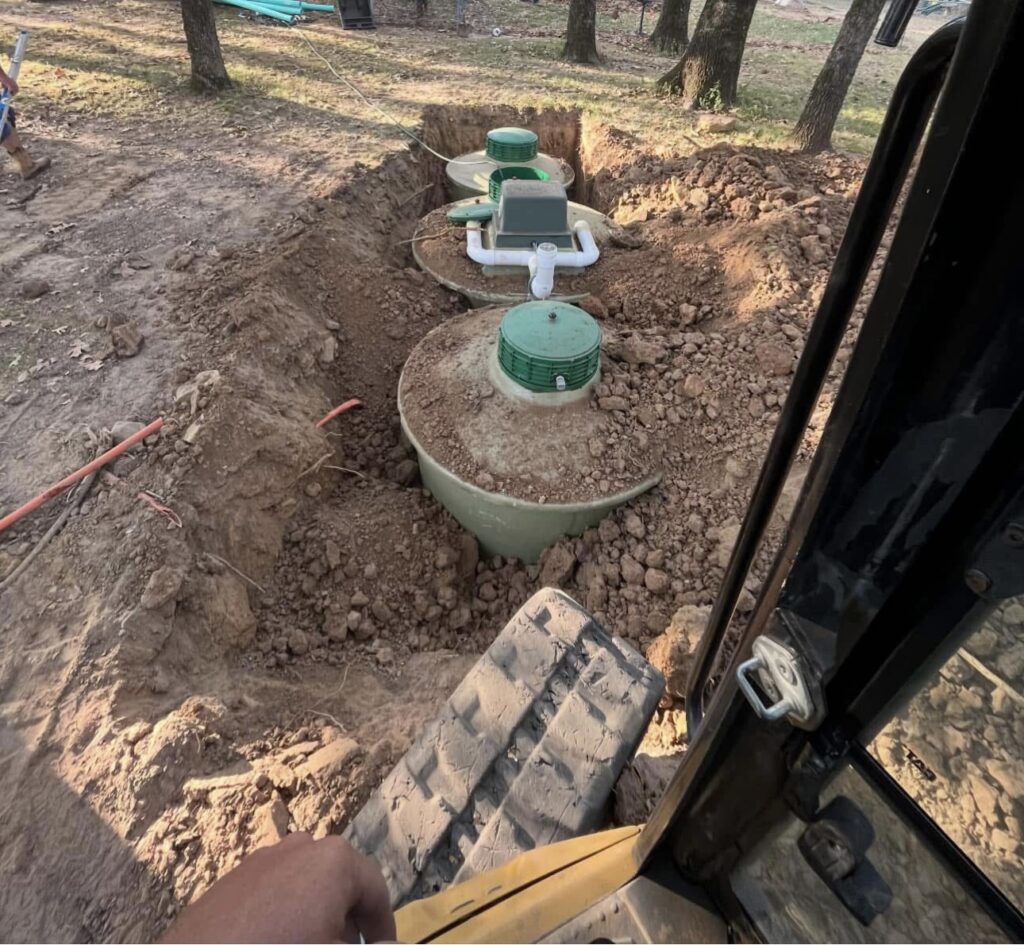
A conventional system relies on anaerobic bacteria, which break down waste in an oxygen-free environment inside the tank. It is a slower, more passive process, and it leans on the surrounding soil to finish filtering the liquid once it leaves the tank. Because it has few moving parts, a conventional system is simple and dependable when the site can support it.
An aerobic system, by contrast, actively pumps oxygen into the treatment tank to support aerobic bacteria, which work faster and break waste down more thoroughly. The result is a cleaner effluent that can be dispersed even where soil conditions are less than ideal. That added treatment power comes from mechanical components, which means an aerobic system is more complex and requires more attention than a conventional one.
How a Conventional Septic System Works and When It Fits
A conventional septic system is the traditional setup most people picture when they think of septic. Wastewater flows from the home into a buried tank, where solids settle to the bottom and are slowly digested by anaerobic bacteria. The liquid in the middle then flows out to a drain field, a network of perforated pipes laid in gravel-filled trenches, where it seeps into the soil and is naturally filtered as it moves through the ground.
The appeal of a conventional system is its simplicity. With no mechanical parts to power or maintain, it runs quietly in the background and tends to have lower upfront and ongoing costs than an aerobic system. When it is installed on suitable ground and maintained with regular pumping, a conventional system can serve a home dependably for decades.
The catch is that a conventional system depends entirely on having the right kind of soil. The ground has to be able to absorb and filter the effluent at an appropriate rate, and there must be enough usable space and depth for a proper drain field. On properties with heavy clay, a high water table, shallow bedrock, or a small lot, a conventional system may not work, and that is where an aerobic system enters the picture.
How an Aerobic Septic System Works and When It’s Needed
An aerobic system adds an extra stage of treatment that a conventional system does not have. After the initial separation, wastewater moves into an aeration chamber where an air pump injects oxygen, feeding the aerobic bacteria that digest waste much more aggressively. This produces a significantly cleaner, more fully treated effluent, which is often dispersed across the yard through spray or sprinkler heads rather than relying solely on absorption through a traditional drain field.

Because the effluent is treated to a higher standard, an aerobic system can be installed on properties where a conventional system simply is not feasible. Lots with poor-draining clay soil, limited space, or other site challenges are common candidates. Across much of Northeast Oklahoma, where heavy clay soils are widespread, aerobic systems are a frequent and practical solution.
That capability comes with added responsibility. An aerobic system has mechanical components, including the aerator and pump, that need electricity to run and regular attention to keep working. Oklahoma also requires aerobic systems to be maintained under a service arrangement, with periodic inspections to confirm the system is operating correctly. This is why aerobic owners benefit from a recurring maintenance plan rather than occasional service alone.
The Role of Oklahoma Soil in Your Decision
In Oklahoma, the choice between the two systems is rarely just a matter of preference. It begins with the ground itself, and the first step toward a conventional system is a soil profile test performed by a certified soil profiler. That test determines whether your soil can absorb and filter effluent properly and how much drain field line would be required. If the soil passes, a conventional system may be possible; if it does not, an aerobic system is typically the route forward.
This is exactly why working with a company that understands the local process matters. Martin Septic teams up with a trusted soil profiler to schedule and carry out the testing, then handles the permitting that follows. Before any installation can begin, an Authorization to Construct, or ATC, has to be approved, confirming that the planned system meets state requirements for your specific site.
Skipping or guessing at these steps can lead to a system that does not comply with code or, worse, one that fails because it was never suited to the property in the first place. Letting the soil and the permitting process guide the decision ensures the system you install is the one your land can actually support. It is the difference between a system that works for decades and one that causes problems from the start.
Comparing Maintenance, Cost, and Longevity
When it comes to upkeep, conventional and aerobic systems ask different things of a homeowner. A conventional system is the lower-maintenance option, generally needing little more than regular pumping every few years and periodic inspections. An aerobic system, with its mechanical parts and state-required servicing, needs more frequent attention, including checks on the aerator, air filters, and spray components to keep everything running as it should.
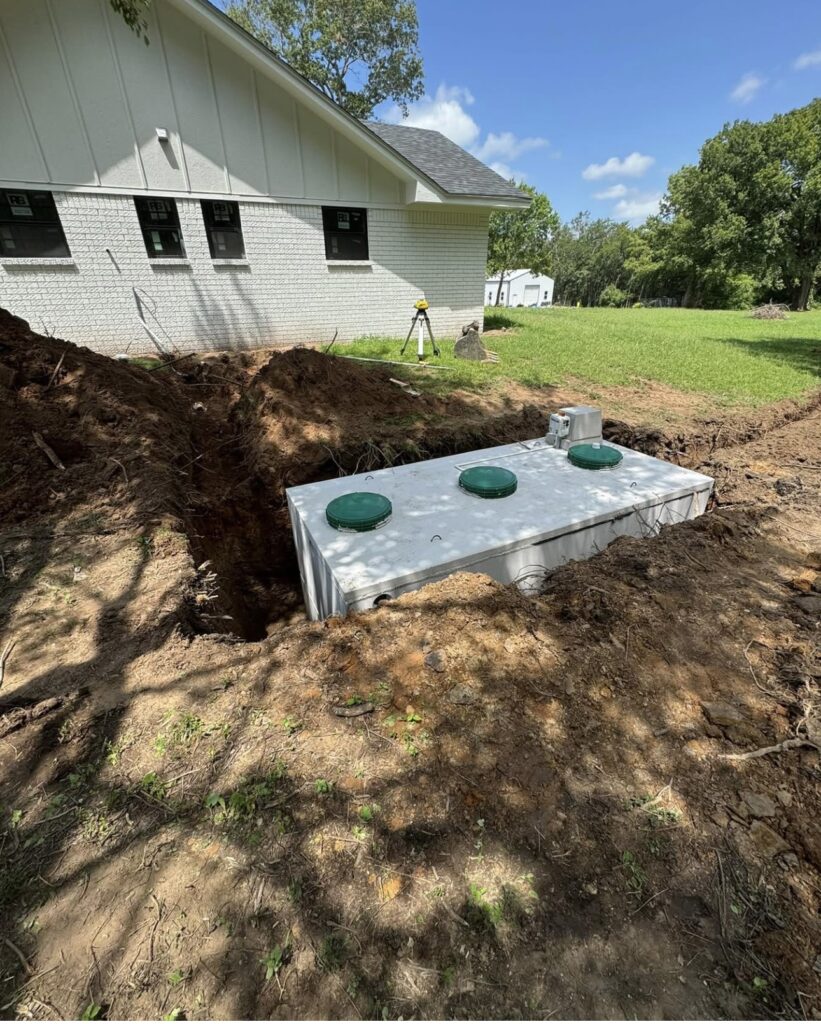
Cost follows a similar pattern. A conventional system is usually less expensive to install and to maintain over time, while an aerobic system carries a higher upfront investment and ongoing service costs because of its added complexity and the electricity it uses. For many Oklahoma homeowners, though, an aerobic system is not really a choice so much as a necessity dictated by their soil, and the cost simply comes with having a system that works on a difficult site.
Both systems can last for many years when they are cared for properly, and in both cases longevity comes down to consistent maintenance. Martin Septic is certified in both conventional and aerobic systems, which means the team can install, service, and maintain whichever type your property calls for. For aerobic owners, the company offers a recurring service plan that keeps the required maintenance handled, helping the system run reliably year after year.
Choosing between an aerobic and a conventional septic system is really a question of matching the system to your land. A conventional system is the simpler, lower-cost option when the soil cooperates, while an aerobic system delivers higher-level treatment that makes it possible to serve properties where a conventional setup cannot go. In Oklahoma, the soil profile test and the permitting process are what point you toward the right answer for your specific site.
The best way to know which system fits your property is to start with a professional who handles the testing, permitting, and installation from beginning to end. Whether you are planning a new system, replacing an old one, or maintaining what you already have, reach out to Martin Septic at (918) 640-2298 for a free quote and dependable septic care right here in Northeast Oklahoma.