Can Drought and Dry Soil Really Crack Your Septic Tank?
Oklahoma summers bring long stretches of heat with little rain, and by mid July many yards across Rogers, Tulsa, and Wagoner counties are baked hard. Homeowners often ask if drought and dry soil can really crack a septic tank, and the honest answer is yes. Dry conditions cause the soil around your tank to shrink, shift, and pull away from the structure it once supported evenly. Concrete tanks, pipe connections, and inlet and outlet fittings all depend on stable soil to stay aligned. When that soil moves, stress builds on the tank walls and seams. Clay soils, which are common across northeast Oklahoma, shrink dramatically as they lose moisture. That shrink and swell cycle repeats every summer and slowly weakens buried septic components. Understanding how drought damages a septic system helps you catch problems early, before a small crack becomes a full system failure.
How Drought and Dry Soil Crack a Septic Tank in Oklahoma
Drought damages septic tanks through soil movement, not heat alone. Soil in this region contains a high percentage of expansive clay, and clay changes volume based on moisture content. During wet spring months, clay swells and presses against the tank; during a July drought, it shrinks and pulls away. That constant push and pull creates uneven pressure points on tank walls, lids, and seams. Pipes entering and leaving the tank are especially vulnerable because they are rigid and cannot flex with the ground. A tank that was installed decades ago has endured many of these cycles, and older concrete grows brittle over time. Add in reduced water use, tree roots hunting for moisture, and hard compacted ground, and drought becomes one of the most destructive seasons for a septic system. The sections below explain exactly how dry soil cracks a septic tank and what happens underground when it does.
Shrinking Clay Soil Puts Uneven Pressure on Your Septic Tank
Clay soil behaves almost like a sponge, expanding when saturated and contracting when dry. During a drought, moisture leaves the top several feet of soil, which is the exact depth where most septic tanks sit. As the clay contracts, it pulls away from the tank walls and leaves gaps and voids around the structure. The tank loses the uniform support it had when it was installed and backfilled. Weight from the tank itself, plus the wastewater inside it, now rests on uneven points instead of being distributed across the whole footprint. Concrete handles compression well, but it handles uneven bending stress poorly. Hairline cracks form at these stress points, often near seams, corners, or the mid wall joint on two piece tanks. Once a hairline crack exists, every future shrink and swell cycle works to widen it.
The damage rarely announces itself right away, which is what makes drought cracking so sneaky. A small crack can leak slowly for months while the surrounding soil stays dry enough to absorb the moisture without surface evidence. Groundwater can also seep into the tank through the same crack once rain returns, which overloads the system and pushes solids into the drain field. Homeowners often discover the problem in the fall, when the first heavy rains arrive and the yard suddenly stays soggy near the tank. By that point, the crack has usually grown and the tank may have shifted on its base. Settling of even an inch can break the seal at the inlet or outlet pipe. That is why a tank that survived June may fail by September. Drought plants the seed of the damage, and wet weather exposes it.
Tank material matters, but no tank is immune to soil movement. Concrete tanks are the most common in the Inola, Claremore, and Broken Arrow areas, and they are the most prone to cracking under uneven pressure. Fiberglass and polyethylene tanks resist cracking better, but they can deform, buckle, or shift when the soil around them opens up. A deformed plastic tank can pull loose from its plumbing connections just as easily as a cracked concrete one. Age compounds every risk, since older concrete loses strength and older gaskets lose flexibility. If your tank is more than fifteen or twenty years old, drought season deserves your full attention. An inspection during or right after a dry spell can reveal cracks while they are still repairable. Waiting until sewage surfaces in the yard usually means a bigger and more expensive fix.
Dry Soil Cracks Septic Pipes and Tank Connections First
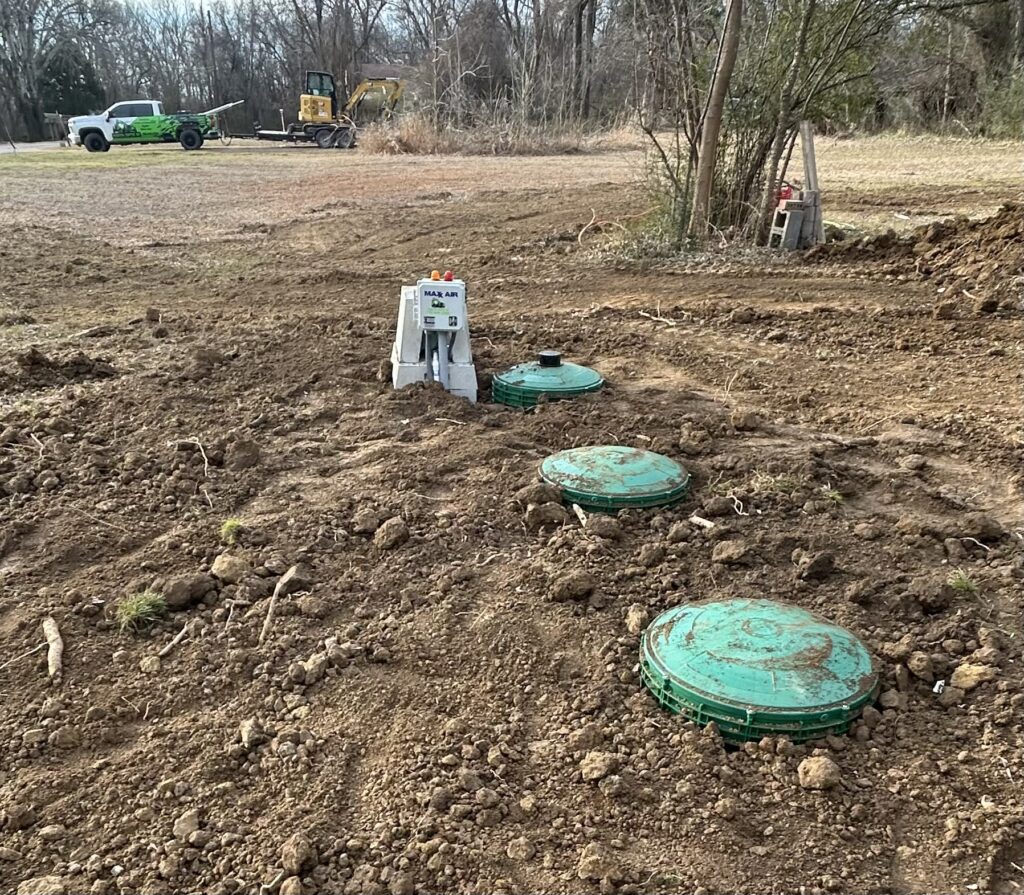
Before the tank itself cracks, the pipes connected to it usually fail. The inlet pipe from the house and the outlet pipe to the drain field are rigid PVC lines set in trenches. When dry soil shrinks and settles, those trenches sink slightly, and the pipes sink with them. The tank, being heavier and larger, settles at a different rate than the pipes around it. That difference in movement puts shear stress right at the point where each pipe enters the tank wall. Couplings crack, gaskets pull loose, and pipe bellies form where the line sags in the settled trench. A cracked inlet pipe lets wastewater leak into the soil before it ever reaches the tank. A cracked outlet pipe can let untreated effluent escape or allow soil to fall into the line and cause a blockage.
Older homes across Tulsa, Owasso, and Coweta sometimes still have cast iron or clay sewer lines running from the house to the tank, and drought is brutal on those materials. Clay pipe joints separate as the ground shifts, and cast iron that has corroded thin will snap under soil stress. Tree roots make everything worse during a drought because roots aggressively chase moisture. A septic line carrying warm wastewater is the wettest thing in a dry yard, and roots will find the smallest joint gap or hairline crack. Once inside, roots expand the opening and clog the line at the same time. Homeowners often notice slow drains and assume the tank is full. In many drought cases, the real culprit is a root invaded or soil crushed pipe between the house and the tank. A proper diagnosis saves you from paying for the wrong repair.
The connection points also matter for aerobic systems, which are common on newer properties around Verdigris, Catoosa, and Pryor Creek. Aerobic systems have more components, including air lines, pump chambers, and spray or drip distribution lines. Each of those connections can be stressed by settling soil the same way a conventional tank connection can. A cracked air line reduces oxygen delivery and kills the bacteria that treat your wastewater. A shifted pump chamber can strain electrical conduits and float switches. These failures are quieter than a sewage backup, but they degrade treatment quality every single day they go unfixed. Suspect a cracked line or shifted connection on your property? Click here for our septic repair service and get it diagnosed before the damage spreads.
Drought Stresses the Drain Field and Cracks the Whole Septic System Balance
The drain field suffers during drought right alongside the tank. Distribution pipes in the field sit shallower than the tank, often within the top two to three feet of soil. That shallow zone dries out first and shrinks the most, so field lines crack, sag, and separate at a higher rate than deeper components. When a distribution line cracks, effluent stops spreading evenly across the field. One section of soil gets overloaded while the rest sits unused. The overloaded section clogs faster, and the biological mat under it thickens until water can no longer soak away. What started as a drought crack turns into a failing drain field within a season or two. Drain field replacement costs far more than pipe repair, so early detection matters enormously.
Hard, hydrophobic soil creates a second drain field problem during extended dry spells. Severely dried clay develops a crusty structure that initially repels water instead of absorbing it. When effluent hits that soil, it can travel along shrinkage cracks instead of filtering through soil pores the way the system was designed. Effluent moving through open cracks does not get properly treated, and it can surface in low spots or move toward wells and creeks. Deep soil cracks near a drain field are a visible warning sign every homeowner should take seriously. You may also notice one stripe of green grass over a broken line while the rest of the field looks dead. Uneven vegetation over a septic area almost always means uneven effluent distribution. That pattern is worth a professional look, not a shrug.
Human behavior during drought adds the final stress. Dry, hard ground tempts people to drive mowers, trucks, and equipment over the septic area because it no longer feels soft. Compacting drought weakened soil over a tank or field lines can crush pipes and crack lids outright. Livestock traffic causes the same damage on rural properties around Inola and Wagoner. Some homeowners also water their lawns heavily right over the field, which sends the soil through rapid swell cycles that stress already weakened pipes. Keep vehicles off the system, keep irrigation moderate and even, and keep an eye on the ground surface for new cracks or depressions. A depression forming over your tank often means soil has washed or fallen into a void, and voids frequently point to a leak. Small habits during a drought protect thousands of dollars of buried infrastructure.
Warning Signs of a Cracked Septic Tank After Drought and Dry Weather
A cracked septic tank rarely fails all at once, so the warning signs show up gradually. Odors, wet spots, slow drains, and changes in the grass over your system are the most common early clues. Drought conditions can hide some of these signs and exaggerate others, which confuses homeowners. Dry soil absorbs small leaks without surface wetness, while sewage odor can carry farther in still summer air. Aerobic system owners may notice alarm activations or spray patterns that look different than normal. Conventional system owners may notice gurgling drains or a toilet that flushes slowly on hot afternoons. Knowing what to look for, and when to look, gives you the best chance of catching a crack early. The signs below deserve immediate attention any time they appear during or after a dry spell.
Sewage Odors and Slow Drains Signal a Cracked Septic Tank
Odor is often the first sign of a cracked septic tank in dry weather. A healthy, sealed system keeps sewer gases underground and vents them through the plumbing stack on your roof. A crack in the tank lid, riser, or upper wall gives those gases a shortcut to the surface. During a drought, shrinkage cracks in the soil create open channels that carry odor straight up from the tank. You may smell it strongest in the early morning or evening when the air is calm. An odor that appears near the tank location, then fades, then returns, points to an intermittent gas leak through a crack. Do not dismiss it as a passing smell from a neighbor or a dry floor drain inside. Persistent outdoor sewage odor near your tank is a legitimate red flag worth investigating.
Slow drains tell a related story from inside the house. When drought settling cracks or bellies the line between your home and the tank, wastewater cannot flow at full speed. You will notice tubs draining sluggishly, toilets flushing weakly, or gurgling sounds from fixtures after the washing machine empties. Many homeowners respond by pouring chemical drain cleaners down the pipes, which does nothing for a structural problem and can harm the bacteria in your tank. Others assume the tank simply needs pumping, and sometimes it does. A pump out is actually a smart diagnostic step, because a technician can inspect the empty tank for cracks, check the baffles, and evaluate the inlet and outlet connections. If your tank was pumped recently and drains slowed again quickly, a crack or damaged line is the more likely explanation. Not sure when your tank was last emptied? Click here to schedule septic pumping and get a professional look inside your tank at the same time.
Water level inside the tank is the clue professionals rely on most. A tank with a crack below the normal liquid line will show a water level lower than the outlet pipe, because wastewater is leaking into the surrounding soil. A tank taking on groundwater after a rain will show a level above the outlet, which means the crack is letting water in. Either condition confirms structural damage that pumping alone cannot fix. Homeowners should never climb into or lean over an open septic tank, since the gases inside can be deadly within seconds. Leave lid removal and internal inspection to trained crews with proper equipment. A quick professional check settles the question definitively. Guessing from the surface wastes time that a spreading crack uses to grow.
Green Grass Stripes and Wet Spots Reveal a Cracked Septic Tank or Line
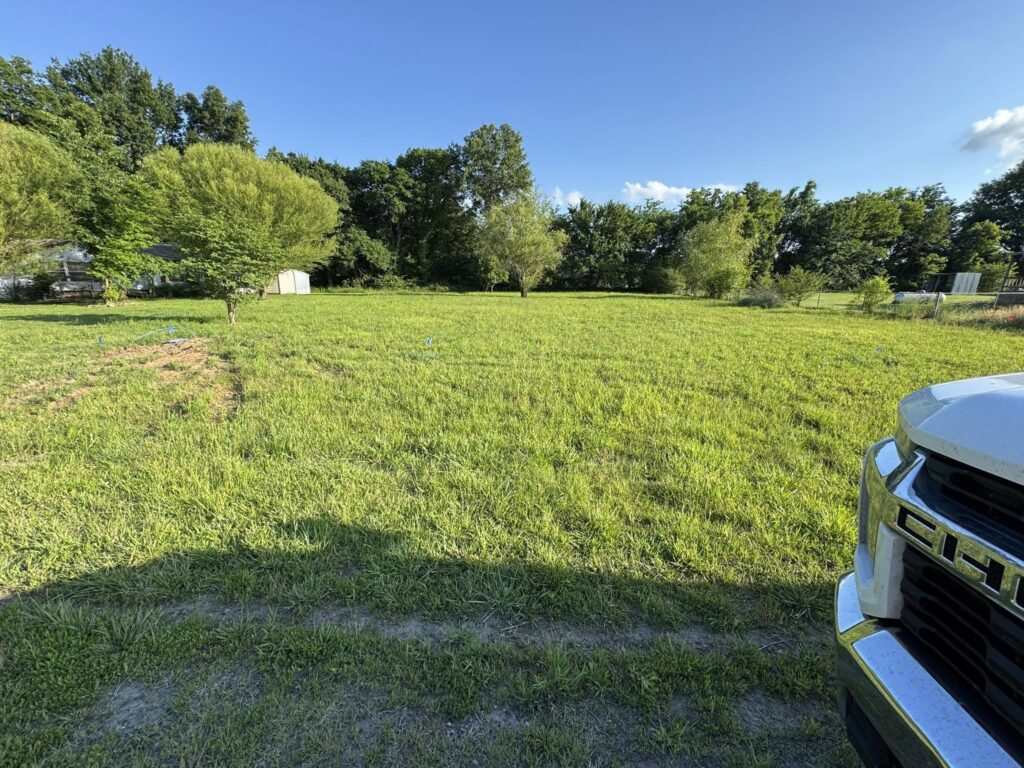
Your lawn works like a diagnostic screen for the septic system buried beneath it. During a drought, most of the yard turns brown and brittle from lack of water. A bright green patch or stripe over the tank or drain field stands out immediately in those conditions. That green area is being fertilized and watered by leaking effluent from a crack. The contrast is actually easier to spot in July than in April, when the whole yard is green. Walk your property line by line during dry spells and note any vegetation that looks suspiciously healthy. Mark the spot and compare it against where you know your tank and field lines run. A green stripe following the path of a buried pipe is close to conclusive evidence of a leak.
Wet or spongy ground during a drought is an even stronger signal. Rain cannot explain a soggy patch when there has been no rain for three weeks. Effluent surfacing through a crack saturates the soil above it and creates a soft spot underfoot. You might also see standing gray water, a sheen on the soil, or flies gathering in one area of the yard. Children and pets should be kept away from any suspected surfacing sewage, since it carries bacteria and pathogens. Take photos and note the exact location before conditions change. Surfacing effluent is a health issue and a sign the crack has grown past the point where soil can hide it. Repairs at this stage are urgent, but they are still usually cheaper than waiting for total system failure.
Depressions and sinkholes near the tank round out the visual warning signs. When a tank cracks and leaks, escaping water can carry fine soil particles away with it, creating an underground void. Eventually the surface soil collapses into that void and forms a dip or hole above the tank. Drought accelerates this because shrinking soil is already unstable and prone to collapsing into gaps. A new depression over a septic component should never be filled with dirt and ignored. Filling it hides the symptom while the cause keeps eroding soil below. Rope off the area, keep mowers and vehicles away, and call a professional to open the tank and inspect it. A collapsing lid or corroded concrete top is also a serious safety hazard, and drought stressed tanks fail at the lid more often than people realize.
Aerobic System Alarms and Backups Point to a Drought Cracked Septic Tank
Aerobic treatment units give homeowners an advantage during drought because they announce many problems with an alarm. A high water alarm during dry weather can mean groundwater is not the issue; instead, a failed pump, a blocked line, or a cracked chamber may be trapping water in the system. A low air pressure condition can indicate a cracked or separated air line, which drought settling causes regularly. Spray heads that mist weakly or unevenly suggest a distribution line problem underground. Never silence an alarm and walk away, because the treatment process degrades quickly without proper function. Oklahoma DEQ rules require aerobic systems to be maintained properly, and ignoring alarms can put you out of compliance. Note what the alarm panel shows and call a certified provider promptly. Small aerobic repairs made early prevent expensive component replacements later.
Sewage backups inside the house represent the most severe warning sign of all. A backup means wastewater has nowhere to go, either because a line is blocked or the tank and field can no longer accept flow. Drought related cracks contribute to backups when soil falls into broken pipes or when a shifted baffle lets solids clog the outlet. Backups usually appear first at the lowest drain in the home, often a basement drain, a ground floor shower, or a toilet. If you see wastewater rising in a fixture, stop using water immediately throughout the house. Continuing to run laundry or dishwashers pushes more sewage toward the failure point. An emergency call at the first backup costs far less than remediation after sewage floods a bathroom. Martin Septic answers emergency septic calls day or night for exactly this reason.
Documentation helps enormously when a technician arrives. Write down when the odors started, which drains slowed first, and what the weather has been doing. Note the age of your system if you know it, and gather any past pumping or inspection records. Sketch or photograph where you believe the tank and field lines sit. This information lets a crew zero in on the likely crack location faster, which saves diagnostic time and money. If you recently bought the home and know nothing about the system, say so, because an unknown system gets a more thorough baseline inspection. Honest, complete information leads to an honest, accurate repair plan. That is how a drought problem gets solved once instead of twice.
Why You Need Professional Septic Repair Before Oklahoma Drought Damage Spreads
A cracked septic tank never heals on its own, and drought conditions guarantee the crack will grow. Every shrink and swell cycle in the surrounding clay works the crack wider, and every gallon of leaking wastewater erodes more supporting soil. Professional repair during the dry season stops that progression while access is easy and damage is contained. Waiting for fall rains means repairing a bigger crack in muddier conditions, often after the drain field has absorbed months of untreated leakage. DEQ certified crews can assess the tank, the lines, and the field together and tell you honestly what needs repair and what does not. Acting now protects your property value, your family’s health, and your budget.
Professional Septic Repair Catches Drought Cracks Early
Professional inspection finds cracks that homeowners cannot see from the surface. A trained technician opens the tank safely, checks the liquid level against the outlet, and examines walls, seams, and baffles for damage. Modern crews can also camera inspect the lines between the house, tank, and field to locate cracks, bellies, and root intrusions precisely. That precision means repairs target the actual failure instead of guessing with expensive excavation. Early detection routinely turns a five figure replacement into a modest repair bill. One inspection during drought season is cheap insurance for the most expensive utility buried on your property.
Repair methods vary based on what the inspection reveals, and a good contractor explains every option. Minor concrete cracks above the water line can sometimes be sealed with hydraulic cement or appropriate patching compounds. Cracked inlet or outlet pipes get excavated and replaced with properly bedded PVC and new gaskets. Shifted baffles get repaired or replaced so solids stay in the tank where they belong. Severely cracked tanks below the water line usually require replacement, because patches on structural failures rarely hold long term. An honest assessment tells you which situation you have. You deserve a contractor who repairs what can be repaired and only replaces what truly must be replaced.
Timing the repair during dry weather has real advantages. Excavation equipment works cleaner and faster in firm soil than in winter mud. Dry conditions let crews properly compact backfill around new tanks and pipes, which prevents the settling that causes future cracks. Scheduling is also typically easier before the fall rush, when the first big rains expose a wave of drought damaged systems across the region. Getting ahead of that rush means faster service and a system ready for wet weather. Think of a summer repair as winterizing your septic system. The work you do in July pays off every rainy month that follows.
Professional Septic Installation Prevents the Next Drought Crack
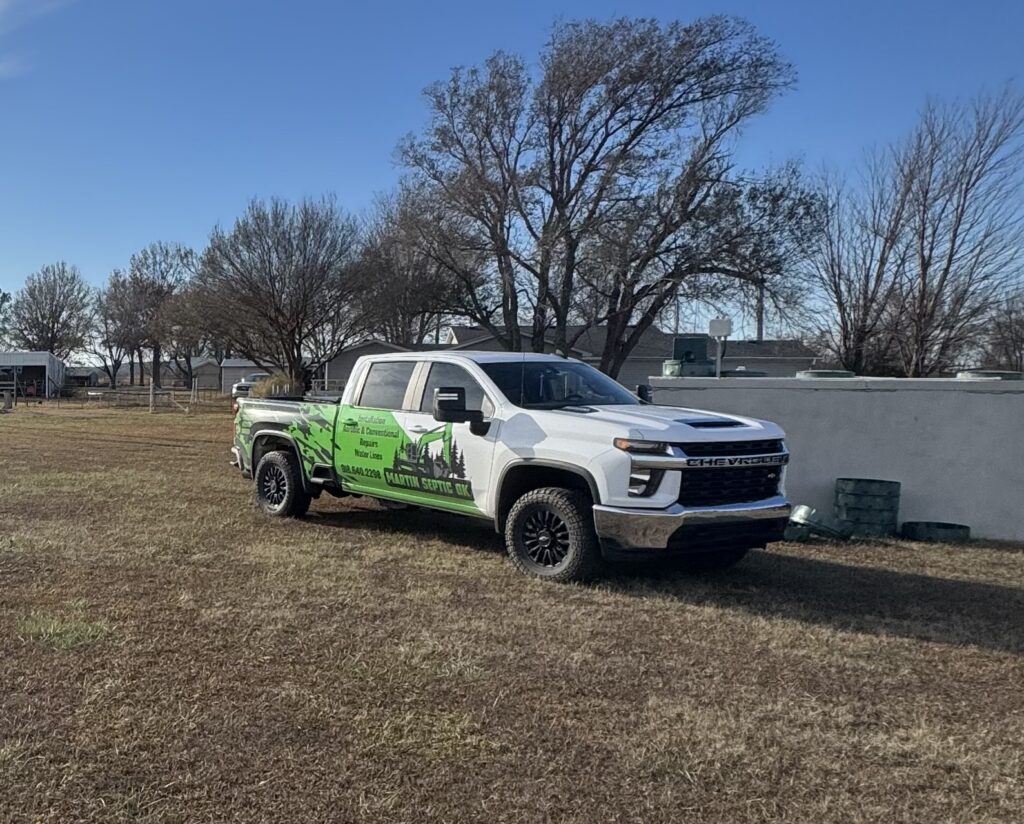
Sometimes drought damage reveals that a tank has reached the end of its life, and replacement becomes the smart investment. A professionally installed new tank starts with correct excavation depth, a properly leveled and compacted base, and backfill placed in lifts around the structure. That foundation work is exactly what protects a tank from the uneven soil pressure that cracks old installations. Modern tanks, risers, and gasketed connections handle shrink and swell cycles far better than components installed decades ago. Correct installation also includes proper pipe bedding, which prevents the sags and shear points that drought exploits. A new system built right is your best defense against the next dry summer.
Design matters just as much as installation on Oklahoma clay. Soil testing determines what system type and drain field configuration your property actually needs. Aerobic systems suit many lots with poor soil absorption, while conventional systems remain excellent where soils allow. Tank sizing should match your household’s real water use, with room for guests and growth. Component placement should account for trees, traffic areas, and drainage patterns that affect long term soil stability. Ready to replace a drought damaged system with one built to last? Click here for our septic installation service and get a free estimate on a properly designed system.
Permits and code compliance protect you during any replacement. Oklahoma DEQ regulates septic installation, and certified installers handle the permitting, soil evaluation, and final approval process correctly. A permitted, documented installation protects you at resale, since buyers and lenders increasingly ask for septic records. It also guarantees the system meets setback requirements from wells, property lines, and water features. Cutting corners on permits creates legal and financial headaches that far outweigh any savings. Full service, no shortcuts installation is the standard every homeowner should demand. That standard is exactly what separates professional work from problems waiting underground.
Why Choose Martin Septic for Drought Septic Tank Repair
Martin Septic is DEQ certified for both aerobic and conventional septic systems, which matters when drought damage strikes either type. Our crews are professionally trained, honest, and committed to full service septic solutions with no shortcuts. We serve Inola, Tulsa, Broken Arrow, Claremore, Owasso, Coweta, and communities across northeast Oklahoma. As a Tulsa Home Builders Association member, we hold our workmanship to a standard our neighbors can verify. Local experience means we know exactly how this region’s clay soils punish septic systems every summer. When we diagnose a drought crack, we have seen hundreds like it and know how to fix it right.
Emergencies do not wait for business hours, and neither do we. Martin Septic offers emergency septic service day or night, because a sewage backup at midnight cannot sit until morning. Our team arrives with the equipment to pump, inspect, and stabilize your system quickly. We explain what we find in plain language and give you real options instead of pressure. Every estimate is free with no obligation, every time. You get honest information first and decide from there.
Do not let this summer’s drought crack its way into a fall disaster. Schedule an inspection now, while the damage is small and the ground is workable. Call Martin Septic at (918) 640-2298 to book your free estimate today. You can also email us at info@martinsepticok.com or visit us at 29184 S 4170 Rd, Inola, OK 74036. Our crews will inspect your tank, lines, and drain field and tell you the truth about what they find. Protect your septic system before the rains return and expose what the drought left behind.