How Tree Roots Find and Destroy Your Septic Lines Every Fall
Fall is the season when tree roots do their most aggressive underground work in Oklahoma. As temperatures drop and surface moisture becomes scarce, roots dig deeper and travel farther in search of water. Your septic lines carry a steady supply of warm, nutrient rich wastewater, which makes them a prime target. A single hairline crack or loose pipe joint releases vapor into the soil, and roots follow that trail with remarkable precision. Once inside, roots grow fast and clog pipes, crush fittings, and destroy drain fields. Many homeowners in Tulsa, Claremore, and Broken Arrow discover the damage only after sewage backs up into the house. Understanding how roots find your septic lines every fall is the first step toward stopping them. This guide explains the science, the warning signs, and the fixes that actually work.
Why Tree Roots Attack Septic Lines in the Fall
Tree roots do not grow randomly; they grow toward resources. In autumn, trees shift energy away from leaves and into root expansion, preparing to survive winter. At the same time, Oklahoma’s dry late summer leaves the upper soil parched, so roots push deeper where septic lines sit. Septic pipes hold everything a root wants: constant moisture, warmth, oxygen, and dissolved nutrients. Even a pipe with no visible leak releases water vapor through tiny gaps at joints and seals. Roots sense that vapor gradient in the soil and grow directly toward its source. Fall root growth can extend several feet in a matter of weeks under the right conditions. That combination of biology and timing makes autumn the most dangerous season for your septic system.
How Tree Roots Detect Moisture in Septic Lines Underground
Tree roots operate like a slow moving search network under your yard. Scientists call the process hydrotropism, which means roots physically bend and grow toward higher moisture concentrations in soil. Every septic line, no matter how well installed, creates a slight moisture halo around itself over time. Condensation forms on pipe exteriors, and microscopic amounts of vapor escape through gaskets and couplings. Fine feeder roots, some thinner than a human hair, detect that moisture from several feet away. Once a feeder root touches the pipe surface, it traces along the pipe until it finds an opening. Older clay and Orangeburg pipes are especially vulnerable because their joints were never watertight to begin with. Even modern PVC systems can be breached if settling soil has stressed a joint or fitting.
Fall accelerates this entire detection process for a simple reason: contrast. During summer, rain and irrigation keep surface soil relatively moist, so roots have plenty of easy water near the top. When fall arrives and surface moisture drops, your septic line becomes the wettest thing in the yard. The moisture gradient between dry soil and your pipe grows sharper, and roots follow gradients. Trees like willows, silver maples, cottonwoods, and elms are notorious for this behavior in northeastern Oklahoma. A mature willow can send roots more than 100 feet from its trunk in search of water. If your septic lines sit within that radius, the tree will eventually find them. Homeowners often blame a tree planted right over the tank, but the real culprit may be growing three lots away.
Nutrients make septic lines even more attractive than a plain water line. Wastewater carries nitrogen, phosphorus, and organic matter, which are the same ingredients found in fertilizer. To a tree, your septic lateral lines are a buffet of water and food delivered year round. Roots that penetrate a pipe do not stop at a single strand; they branch explosively inside because conditions are ideal. Within one or two seasons, a small intrusion becomes a dense root mass that traps solids, paper, and grease. Flow slows, then stops, and pressure builds against every joint upstream. That pressure widens the original crack and invites even more roots. This feedback loop is why root problems always get worse, never better, without professional septic repair.
Where Tree Roots Enter Septic Lines Most Often
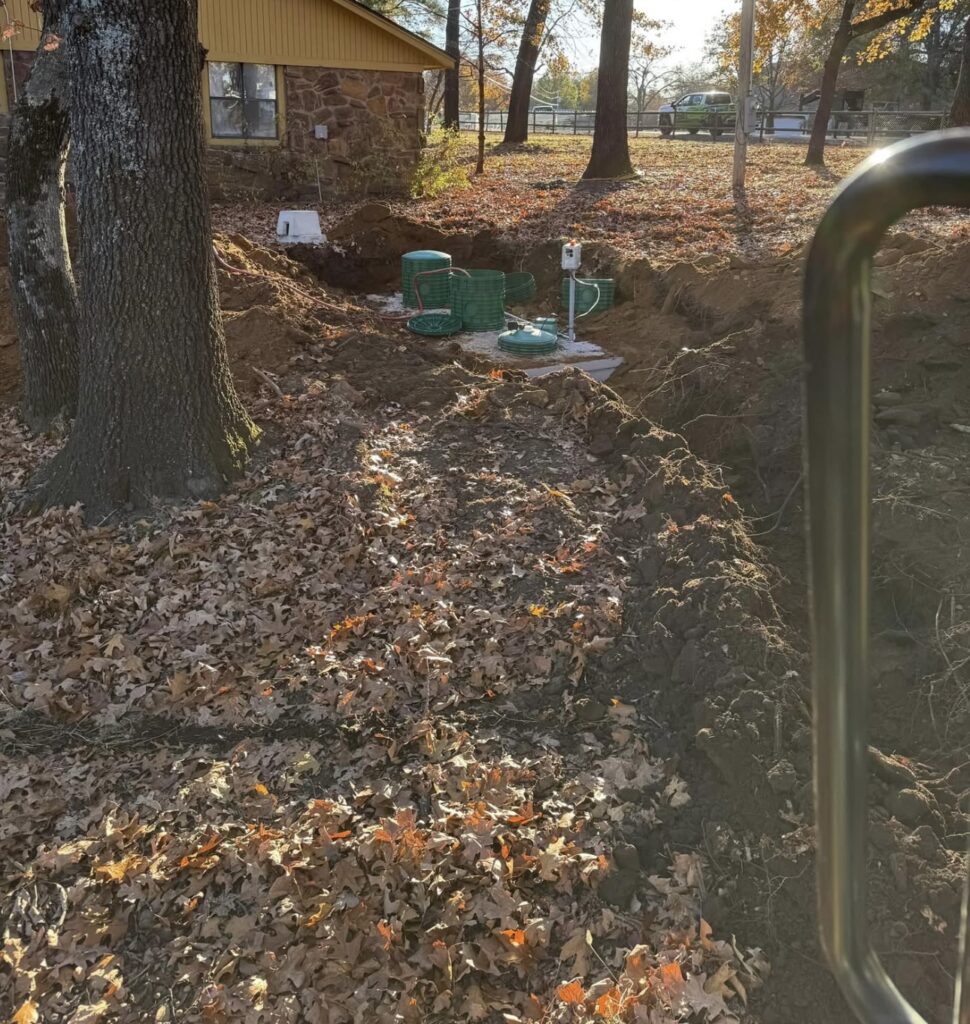
Roots almost never punch through solid, intact pipe; they exploit existing weak points. The most common entry point is the joint between pipe sections, where gaskets age, shrink, or shift. In homes built before the 1980s around Inola, Catoosa, and Coweta, clay tile pipes were laid in short segments with dozens of joints per run. Each joint is a potential doorway, and decades of soil movement have opened many of them. The connection between the house sewer line and the septic tank inlet is another frequent failure spot. Tanks settle slightly over time, and that settling stresses the pipe connection until a gap forms. Roots find that gap quickly because the tank itself radiates warmth and moisture. Concrete tanks with deteriorating seams around the lid or baffles also invite intrusion.
Drain field lines, also called lateral lines, are the most vulnerable part of the entire system. These perforated pipes are designed to release effluent into the soil, so they are essentially an open invitation to roots. A healthy drain field disperses water evenly, but roots concentrate around the perforations and grow inside the pipe. Once inside a lateral, roots spread horizontally and fill the pipe like a bottle brush. Gravel trenches around the laterals hold moisture too, encouraging roots to colonize the entire bed. When roots choke a lateral line, effluent has nowhere to go and surfaces in the yard as soggy patches or standing water. Fall makes this worse because trees are actively expanding their root systems before dormancy. If you see wet spots over your drain field in October or November, roots are a likely cause and you should schedule a septic drain field service inspection right away.
Distribution boxes and tank baffles round out the list of common entry points. The distribution box splits flow between lateral lines, and its multiple pipe connections create several joints in one small area. A root invasion here can block flow to the entire drain field at once. Inside the tank, roots sometimes grow down through unsealed riser lids or inspection ports. Homeowners are often shocked during a pumping appointment to see a curtain of roots hanging into the tank. Roots inside the tank interfere with the baffles that keep solids from escaping to the drain field. When solids escape, they clog soil pores and shorten drain field life dramatically. Regular septic pumping appointments give a trained technician the chance to spot root intrusion early, before it destroys expensive components.
The Damage Tree Roots Cause Inside Septic Lines Over Time
Root damage follows a predictable and destructive timeline once intrusion begins. In the first stage, fine feeder roots enter through a joint and begin filtering solids out of the wastewater stream. Toilet paper, hair, and grease snag on the roots and form a growing mat. Drains in the house start running slow, and you may hear gurgling from toilets or floor drains. Most homeowners treat these symptoms with drain cleaner, which does nothing against roots. Meanwhile the root mass thickens, and the original crack widens under hydraulic pressure. By the time a full blockage occurs, the pipe has usually suffered structural damage. Fall backups are common because holiday guests and heavier water use push a compromised line past its limit.
The second stage involves physical destruction of the pipe itself. Roots do not stay thin; they grow in diameter every year just like branches above ground. A root that entered through a quarter inch gap can expand to two inches thick or more. That expansion acts like a slow hydraulic jack, cracking clay pipe, separating PVC joints, and crushing older Orangeburg pipe completely. Soil then washes into the broken pipe, creating voids that cause the line to sag or belly. A bellied line holds standing waste, which attracts even more root growth and breeds constant clogs. At this stage, cutting the roots out only buys time, because the structural opening remains. Sections of pipe usually need excavation and replacement, which is a job for experienced septic repair professionals.
The final and most expensive stage is drain field failure. When roots dominate the lateral lines and surrounding gravel, effluent can no longer percolate into the soil. Wastewater backs up into the tank, then into the house, or surfaces in the yard as raw sewage. A failed drain field is a health hazard, an environmental violation, and a major expense. Replacement often costs many times more than the repairs that would have prevented it. Oklahoma DEQ regulations govern drain field replacement, and the work requires proper design, permitting, and certified installation. Trees that caused the original failure must be addressed too, or the new field faces the same fate. Catching root intrusion in stage one, through inspection and maintenance, protects you from ever reaching stage three. Fall is the ideal time to schedule that inspection, before winter freezes complicate any needed work.
How to Stop Tree Roots From Destroying Your Septic System This Fall
Stopping root damage requires a combination of smart landscaping, mechanical removal, and consistent maintenance. No single method works alone, because trees never stop growing and roots never stop searching. The good news is that a proactive fall routine can protect your septic lines for decades. Start by knowing exactly where your tank, lines, and drain field sit on your property. Then evaluate which trees pose a threat based on species and distance. Mechanical root cutting, targeted treatments, and physical barriers each play a role in defense. Regular pumping and inspection tie the whole strategy together by catching problems early. The sections below break down each approach so you can protect your system before roots take hold this season.
Tree Placement Rules That Protect Septic Lines From Roots
The best defense against root damage starts with distance between trees and septic components. A widely used rule says a tree should be planted at least as far from septic lines as its mature height. A tree expected to reach 40 feet tall should stand at least 40 feet from your tank and drain field. Aggressive water seeking species need even more clearance, often 100 feet or greater. Willows, cottonwoods, silver maples, sycamores, elms, and poplars top the danger list in Oklahoma. These species evolved along creeks and rivers, and their roots are genetically programmed to chase water. Planting one anywhere near a septic system is asking for trouble within ten years. Fall is planting season for many homeowners, so check distances before any new tree goes in the ground.
If you are choosing trees for a property with a septic system, some species are far safer than others. Shallow rooted ornamentals like dogwoods, redbuds, and Japanese maples pose much less risk. Their root systems stay compact and rarely travel long distances for water. Even safe species should stay at least 20 feet from any septic component as a precaution. Grass remains the single best ground cover for a drain field because it helps evaporation without deep roots. Avoid planting vegetable gardens, shrubs with woody roots, or anything requiring irrigation over the lateral lines. Extra irrigation saturates the field and reduces its ability to treat effluent. A simple lawn over the drain field, mowed regularly, gives your system the best chance at a long life.
Existing trees present a harder decision, especially mature ones planted decades ago. Removing a healthy shade tree feels drastic, but sometimes it is the only permanent fix. A large willow within 30 feet of a drain field will win the underground battle eventually, no matter how often roots are cut. Homeowners should weigh the cost of tree removal against repeated septic repairs and eventual drain field replacement. In many cases, removal plus stump grinding costs less than a single major septic excavation. Remember that cutting down the tree does not instantly stop root activity; roots can remain viable for a season or more. If removal is off the table, plan on a rigorous schedule of root management and inspection. A professional evaluation of your specific layout, tree species, and pipe materials will tell you which path makes financial sense.
Root Removal Methods That Save Septic Lines and Drain Fields
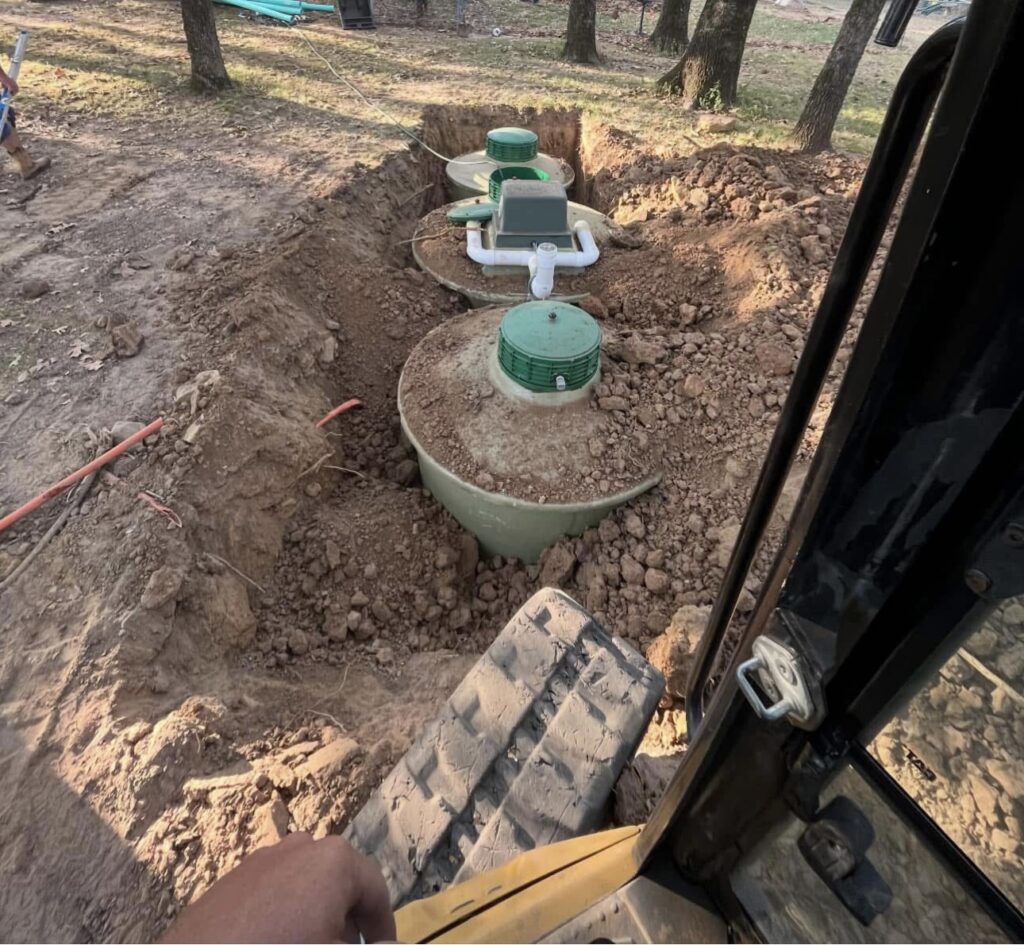
Mechanical root cutting is the frontline treatment once roots have entered a line. Technicians feed a rotating cable with sharp cutting blades through the pipe, shearing roots flush with the pipe wall. This restores flow quickly and works well in main sewer lines and tank inlet pipes. The limitation is that cutting is a haircut, not a cure. Roots regrow from the cut ends, often thicker and faster than before. Most root prone lines need cutting every 12 to 24 months to stay open. Fall is a smart time to schedule cutting, since it clears the summer growth before heavy holiday usage arrives. Pairing mechanical cutting with a camera inspection shows exactly where roots entered and how much pipe damage exists.
Hydro jetting takes removal a step further with high pressure water. A specialized nozzle blasts water at pressures strong enough to slice roots and scour grease, sludge, and debris from pipe walls. Jetting cleans the full diameter of the pipe rather than just punching a hole through the root mass. It is especially effective in lateral lines where cable machines struggle with the perforations and turns. After jetting, a camera pass verifies the pipe condition and locates every breach. Severely damaged sections revealed by the camera should be repaired or replaced rather than repeatedly cleaned. Spot repairs, pipe bursting, and open excavation are all options depending on depth and access. A honest contractor will explain which repair fits your situation instead of selling endless cleanings.
Chemical treatments and physical barriers round out the removal toolkit. Foaming herbicides containing dichlobenil or copper sulfate based products can kill roots inside a line without harming the tree above. These treatments must be used carefully and in accordance with label directions, since overuse can harm the beneficial bacteria your septic tank depends on. Copper sulfate should never be poured into a system in large quantities, and some states restrict its use. Foaming treatments applied by professionals coat the entire pipe interior and slow regrowth for a year or more. Physical root barriers offer longer term protection; these are vertical panels or treated geotextiles buried between the tree and the septic lines. Barriers force roots to grow deeper or redirect them away from the pipes entirely. Combining a barrier with annual maintenance gives high risk properties the strongest defense available.
Fall Septic Maintenance That Prevents Tree Root Damage
Routine maintenance is the cheapest insurance against root destruction, and fall is the perfect season for it. Start with a professional inspection that includes a camera survey of your main line and, where accessible, the laterals. A camera reveals root intrusion months or years before you notice symptoms in the house. Inspectors also check tank baffles, riser seals, and the distribution box for early root activity. Finding a few feeder roots at a joint is a minor fix; finding a root ball in the drain field is a crisis. Fall inspections also confirm your system is ready for winter, when frozen ground makes repairs slower and more expensive. Oklahoma winters bring freeze thaw cycles that widen any existing pipe cracks. Sealing those cracks in October beats excavating in January.
Pumping on the right schedule supports root defense in ways many homeowners never consider. A tank pumped every three to five years keeps solids from escaping into the drain field. Solids that reach the laterals clog soil pores and create the stagnant, nutrient rich conditions roots love most. During pumping, the technician gets a direct look inside your tank and can spot roots entering through the lid, seams, or baffles. Fall pumping is especially smart before holiday hosting season loads the system with extra guests. It also ensures maximum tank capacity heading into winter, when pumping trucks may face weather delays. Ask your technician to note any root evidence in the service report. That paper trail helps you track whether intrusion is progressing year over year.
Homeowner habits complete the maintenance picture between professional visits. Keep accurate records of where your tank, lines, and drain field are located, and mark them before any landscaping project. Never let anyone plant trees, install irrigation, or drive heavy equipment over the drain field. Watch for early warning signs each fall: slow drains, gurgling fixtures, sewage odors outside, or unusually green stripes of grass over the laterals. Lush green lines in an otherwise dormant fall lawn often mean effluent is leaking where roots have breached a pipe. Address warning signs immediately instead of waiting for a backup. Conserve water during wet fall weeks so a stressed drain field can recover. Small habits, repeated every season, add years of life to a system that costs thousands to replace.
Why You Need Professional Septic Service Before Roots Cause a Backup
Tree roots never take a season off, and they hold every advantage underground: time, persistence, and invisibility. By the time symptoms show up in your home, roots have usually been working on your lines for years. Do it yourself fixes like store bought root killer or drain cleaner cannot remove an established root mass or repair a broken joint. Professional equipment, from inspection cameras to hydro jetters to excavation crews, exists because this problem demands it. Fall gives you a window to act before winter freezes and holiday water use collide with a compromised system. One service call now costs far less than a sewage backup, an emergency excavation, or a failed drain field later.
Professional Septic Inspections Catch Root Damage Early
A professional inspection removes the guesswork that dooms most homeowner efforts. Trained technicians know exactly where roots attack first and what early intrusion looks like on camera. They can distinguish a minor feeder root from a structural breach that demands repair. Inspection reports document pipe material, joint condition, and root locations with footage markers. That precision means repairs target the actual problem instead of the whole yard. You get facts, not guesses, before spending a single dollar on repairs.
Camera technology has transformed how root problems get diagnosed. A waterproof camera travels the full length of your line, transmitting live video of every joint and defect. Locating equipment above ground pinpoints the exact spot and depth of each root entry. This turns a potential yard wide excavation into a precise, small footprint repair. Cameras also verify that cleaning work actually cleared the line, so you never pay for incomplete service. No honest root diagnosis happens today without one.
Fall inspections carry extra value because of what comes next on the calendar. Winter freezes expand cracks, holiday guests stress the system, and spring rains saturate drain fields. An October inspection lets you fix problems under ideal conditions and enter winter with confidence. It also establishes a baseline record for your system, which helps at resale and with insurance questions. Homeowners who inspect annually almost never face surprise backups. Homeowners who skip inspections usually meet their septic contractor for the first time during an emergency.
Expert Septic Repairs Stop Tree Roots Permanently
Cutting roots restores flow, but only proper repair stops the cycle. Professionals evaluate each breach and recommend the right permanent fix, from joint sealing to full section replacement. Replacing old clay or Orangeburg pipe with gasketed PVC removes the entry points roots have exploited for decades. Modern pipe joints are watertight, which means no moisture signal for roots to follow. A correctly repaired line can stay root free for the rest of its service life. That is the difference between managing a problem and solving it.
Drain field repairs demand even more expertise because Oklahoma DEQ rules govern the work. Certified professionals handle permitting, soil evaluation, and system design so repairs meet state code. Root damaged laterals may need jetting, partial replacement, or in severe cases a new field section. Proper septic design and engineering ensures any replacement accounts for nearby trees, soil type, and household size. Cutting corners here risks failed inspections and repeat failures. Certified work protects your property value and your family’s health.
Timing repairs in fall delivers practical advantages homeowners appreciate. Soil is typically workable, weather allows efficient excavation, and crews can complete jobs before ground freeze. Landscaping disturbed by repairs has time to settle before spring growth. You also avoid the emergency premium that comes with winter backups and frozen ground excavation. Scheduling now means choosing your repair date instead of having a sewage backup choose it for you. Smart homeowners treat fall as septic repair season for exactly these reasons.
Why Choose Martin Septic for Tree Root Septic Problems
Martin Septic is DEQ certified for both aerobic and conventional septic systems, so every root repair meets Oklahoma code. Our crews are professionally trained, honest, and committed to full service solutions with no shortcuts. We serve Inola, Tulsa, Broken Arrow, Claremore, Owasso, and communities across northeastern Oklahoma. As a Tulsa Home Builders Association member, we bring builder grade standards to every residential job. Root intrusion is one of the most common problems we solve each fall. We know exactly where local tree species attack local pipe materials.
Every job starts with a free, no obligation estimate, so you know the cost before any work begins. We diagnose with cameras, explain what we find in plain language, and recommend only the repairs your system actually needs. Our team handles everything from root cutting and line repair to complete drain field restoration. When roots have compromised your tank or laterals, we fix the cause, not just the symptom. That honest approach has built our reputation across Rogers, Tulsa, and Wagoner counties. Your neighbors trust us because we treat their systems like our own.
Septic emergencies do not wait for business hours, and neither do we. Martin Septic offers emergency septic service day or night, every day of the year. If roots cause a backup this fall, one call brings a trained crew to your door fast. Do not wait for slow drains to become sewage in your home. Protect your septic lines before roots finish the damage they started this season. Call Martin Septic today at (918) 640-2298 for a free estimate on inspection, root removal, or repair.