Why Fall Is the Smartest Time to Get Your Septic Tank Pumped
Every septic tank in Oklahoma has a schedule, and fall is the season when smart homeowners get ahead of it. Summer puts heavy demands on your system with guests, gardening, and extra laundry, so by September your tank is often carrying more solids than any other time of year. Pumping in the fall clears that buildup before the ground freezes and before holiday gatherings push your system to its limit. Cold weather slows the bacteria inside your tank, which means waste breaks down more slowly all winter long. A tank that enters winter already full is a tank that is one Thanksgiving dinner away from a backup. Fall pumping also gives contractors easier access to your yard while the soil is still dry and workable. Scheduling now means you avoid the emergency calls, frozen ground, and holiday surcharges that come later. This post explains why autumn is the ideal window for septic tank pumping and how to know if your system is due.
How Fall Weather Affects Septic Tank Pumping in Oklahoma
Oklahoma falls bring cooler nights, shifting soil moisture, and the first real slowdown in bacterial activity inside your septic tank. These changes matter because your septic system depends on warm, active bacteria to digest waste and on absorbent soil to disperse treated water. When temperatures drop, both processes lose efficiency at the same time. A tank pumped in October starts the cold season with maximum capacity and minimal stress. A tank ignored until January faces frozen access lids, saturated drain fields, and sluggish digestion all at once. Fall is also the last stretch of predictable weather before winter storms make service calls harder to schedule. Green Country homeowners who pump in autumn set their systems up to coast through the coldest months. Understanding how the season changes your system explains why timing matters so much.
Cooler Soil Temperatures Make Septic Tank Pumping More Urgent
Bacteria inside your septic tank are the workhorses of the entire system, and they slow down dramatically as soil temperatures fall. During summer, warm conditions keep microbial digestion running at full speed, breaking down solids almost as fast as they arrive. Once October arrives in northeast Oklahoma, ground temperatures begin a steady decline that continues into February. Slower bacteria mean solids accumulate faster in the tank than they did just two months earlier. A sludge layer that was manageable in July can reach critical depth by December without any change in household habits. Pumping in the fall removes that accumulated sludge before cold weather compounds the problem. Your tank then enters winter with empty capacity and a fresh start for the reduced bacterial activity ahead. Waiting until the coldest months means asking a sluggish system to handle a heavy load, and that is how backups happen.
Soil temperature also affects how well your drain field absorbs treated wastewater during the transition to winter. Warm soil accepts effluent readily because evaporation and plant uptake help pull moisture out of the ground. Cool, damp autumn soil holds water longer, which reduces the absorption rate across your entire drain field. When your tank is full of solids, more suspended waste escapes into the drain field lines and clogs the already stressed soil. That clogging is often permanent, and drain field replacement costs many times more than routine pumping. Fall pumping keeps solids out of the lines during the exact months when your soil is most vulnerable. It is a small investment that protects the most expensive component of your septic system. Homeowners who understand this connection rarely skip their autumn service.
There is also the practical matter of access, and cooler fall weather is the sweet spot for it. Pump trucks are heavy, and they need to park close enough to reach your tank with a hose. Dry autumn ground supports that weight without rutting your lawn or getting the truck stuck. Winter brings frozen lids that must be chipped or thawed before a technician can even open the tank. Spring brings mud that can make yard access impossible for weeks at a time. Fall gives you firm soil, mild temperatures, and unhurried scheduling all in one season. Technicians can take their time inspecting baffles, checking effluent filters, and evaluating tank condition. That thorough service is harder to deliver when crews are racing daylight and freezing temperatures in January.
Holiday Guests Increase the Need for Fall Septic Tank Pumping
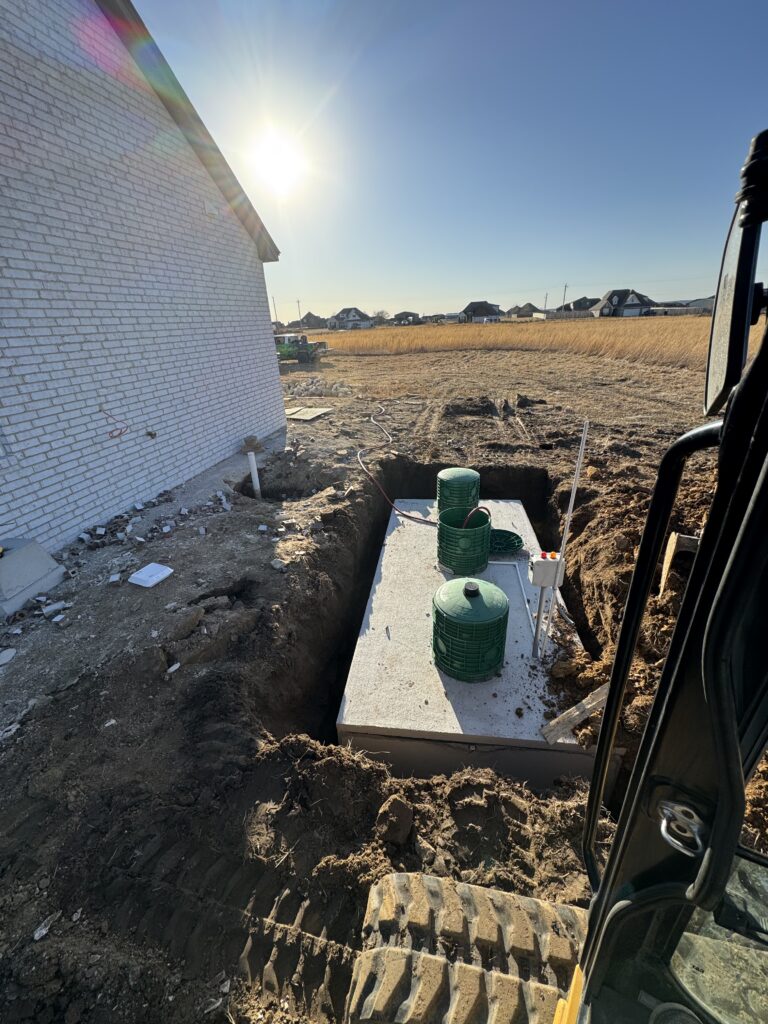
The stretch from Thanksgiving through New Year’s Day is the busiest season your septic system will ever see. Extra guests mean extra showers, extra toilet flushes, and extra loads of laundry stacked into just a few days. A household of four can temporarily double or triple its water usage when family arrives for the holidays. Your septic tank needs open capacity to handle those surges, because wastewater must sit in the tank long enough for solids to settle. A full tank pushes water through too quickly, sending solids straight into your drain field. That is why so many septic emergencies happen on Thanksgiving weekend, often with a house full of guests. Fall pumping in September or October guarantees your tank has room for the holiday rush. It is the cheapest insurance you can buy against a very embarrassing problem.
Holiday cooking adds another layer of stress that most homeowners never consider. Grease, fats, and food scraps from big meals often end up down the kitchen drain despite everyone’s best intentions. Grease floats to the top of your septic tank and forms a scum layer that thickens quickly during heavy cooking weeks. When the scum layer grows too deep, it can block the outlet baffle or escape into the drain field. Garbage disposals make this worse by grinding food into particles that bacteria struggle to digest in cold weather. A tank pumped in the fall has a thin scum layer with plenty of room to absorb the holiday cooking season. A neglected tank may already be at the threshold before the first turkey goes in the oven. Removing that scum in autumn resets the clock at the perfect moment.
Emergency septic service during the holidays is stressful, expensive, and sometimes slow to arrive. Pumping companies field their highest call volumes between Thanksgiving and early January, and same day availability disappears fast. A backup on Christmas Eve can leave your family without working plumbing during the worst possible time. Hotel rooms, canceled gatherings, and after hours service fees add up quickly when a preventable problem strikes. Scheduling routine septic tank pumping in the fall eliminates nearly all of that risk. You choose the appointment time, you pay standard rates, and you host the holidays with confidence. Martin Septic offers emergency service day or night, but our team would rather help you avoid the emergency entirely. Ready to get on the schedule before the rush? Click here for our septic pumping service.
Fall Septic Tank Pumping Prepares Your System for Frozen Ground
Frozen ground is the single biggest obstacle to winter septic service in Oklahoma. Once hard freezes settle in, the soil above your tank lid can turn into a solid barrier several inches thick. Technicians may need extra time and equipment to break through, and some winter appointments get delayed until a thaw. If your tank reaches capacity in January, you could be stuck waiting while wastewater backs up toward your house. Fall pumping removes that gamble by emptying the tank before frost becomes a factor. A freshly pumped tank typically gives an average household two to four years of capacity, so autumn service carries you well past winter. The heat generated by active decomposition also helps keep tank contents from freezing. A tank full of cold, compacted sludge loses that natural protection.
Winterizing the rest of your septic system pairs naturally with a fall pumping appointment. Technicians can check that your tank lids and risers seal properly, because gaps let cold air chill the tank contents. They can confirm that inspection ports are secure and that no surface water is draining toward your tank or field. Compacted snow and vehicle traffic over septic lines drive frost deeper into the soil, so fall is the time to mark those areas and keep them clear. Letting grass grow slightly taller over the drain field before the first freeze adds free insulation. A technician on site for pumping can point out all of these vulnerabilities in a few minutes. That guidance is part of what separates a full service visit from a quick pump and run. Small preparations in October prevent frozen pipes and stressed components in February.
Fall pumping also reveals problems while there is still time to fix them before winter. An inspection during pumping can uncover cracked baffles, root intrusion, deteriorating tank walls, or early drain field saturation. Repairs are far easier to complete in mild autumn weather than in frozen January soil. Excavation costs less, concrete cures properly, and parts availability is better outside the emergency season. Discovering a failing baffle in October means a scheduled repair; discovering it in January means an emergency. Aerobic system owners benefit doubly, since fall is an ideal time to verify aerators and spray heads before cold snaps arrive. Martin Septic crews are DEQ certified for both aerobic and conventional systems, so every fall inspection covers your specific setup. Catching issues early is the entire point of seasonal maintenance.
Signs Your Septic Tank Needs Pumping Before Winter
Most septic tanks need pumping every three to five years, but usage, tank size, and household habits shift that timeline. Fall is the right moment to look for the warning signs, because every symptom gets worse once cold weather arrives. Slow drains in October become full backups in December if the underlying cause is a full tank. Your septic system rarely fails without warning; it fails after weeks of small signals that homeowners overlook. Learning those signals lets you schedule service on your terms instead of reacting to a crisis. Some signs show up inside the house, others appear in the yard, and a few only reveal themselves through records and math. Walk your property this fall and run through the checklist below. If anything matches, get your tank pumped before the first hard freeze.
Slow Drains Are a Classic Sign Your Septic Tank Needs Pumping
Slow drains throughout the entire house are the most common early warning that your septic tank needs pumping. A single slow sink usually points to a local clog in that fixture’s trap or branch line. When every drain in the home slows down at once, the problem sits downstream where all the lines meet, and that means the tank. A full tank cannot accept wastewater as fast as your fixtures send it, so water lingers in the pipes. You may notice the bathtub taking longer to empty or the washing machine draining sluggishly between cycles. These symptoms often appear weeks before an actual backup, which gives attentive homeowners a valuable head start. Fall is when many families first notice the change, because school routines and cooler weather shift water usage back indoors. Do not dismiss slow drains as a minor annoyance; they are your system asking for help.
Gurgling sounds from toilets and drains are the audio version of the same warning. When a septic tank fills with solids, air gets trapped and displaced as wastewater struggles to enter the tank. That trapped air pushes back up through the plumbing and escapes through fixture traps with a distinctive gurgle. You might hear it after flushing a toilet, running the dishwasher, or draining a full bathtub. Gurgling often shows up alongside slow drainage, and together they strongly suggest a tank at capacity. Some homeowners also notice toilets that flush weakly or need two flushes to clear. Each of these symptoms traces back to restricted flow between your house and your tank. Pumping restores that flow and silences the gurgle almost immediately.
Sewage odors inside or outside the home complete the trio of classic pumping signals. A properly functioning septic system is essentially odorless, because gases vent through the roof stack and waste stays sealed underground. When the tank fills beyond capacity, gases escape through drains, and you may catch a sulfur smell near sinks or floor drains. Outdoors, odors near the tank lid or over the drain field indicate that effluent is rising too close to the surface. Cool, still fall air makes these smells easier to notice than in breezy summer months. Never ignore a persistent sewage odor, because it means untreated waste is escaping containment somewhere. That is a health concern for your family, your pets, and your groundwater. Noticing odors along with slow drains? Click here for our septic repair service to have the whole system evaluated.
Standing Water in the Yard Means Septic Tank Pumping Is Overdue
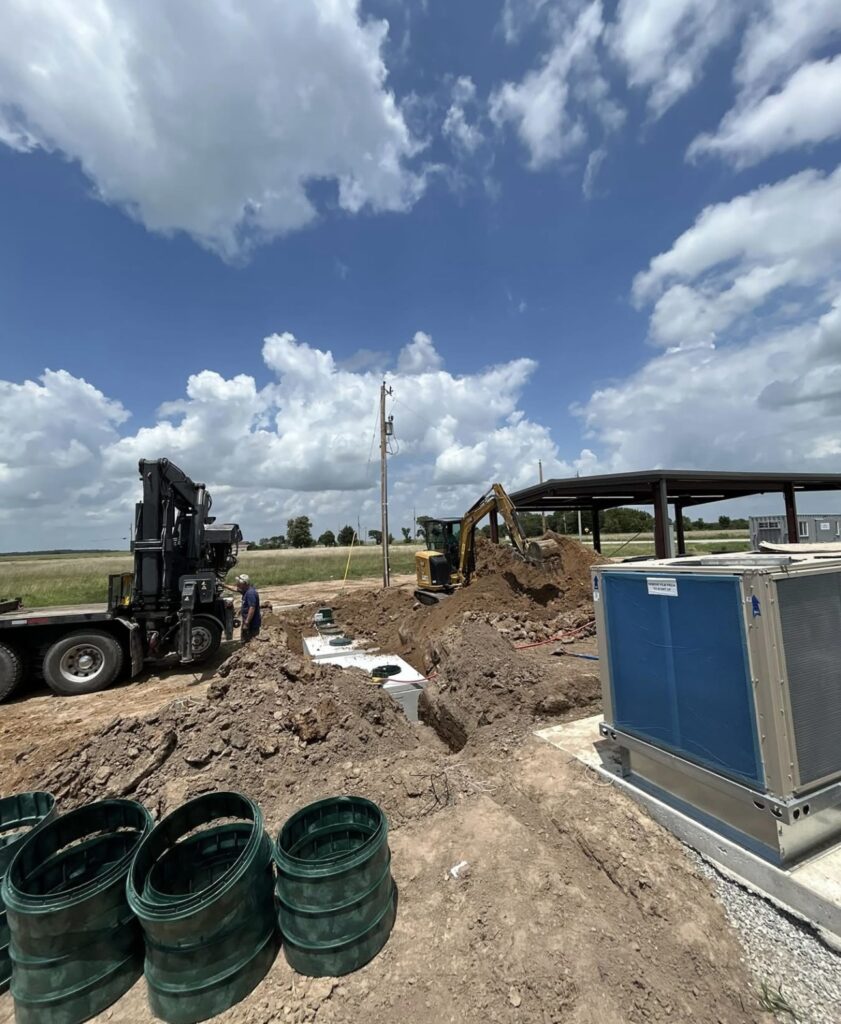
Soggy patches over your drain field are one of the most serious signs that septic tank pumping is overdue. When a tank fills with sludge, solids escape into the drain field lines and clog the gravel and soil around them. Wastewater then has nowhere to go but up, and it surfaces as wet, spongy ground even during dry weather. Fall makes this easier to spot because Oklahoma autumns often bring dry stretches where the rest of the yard stays firm. If one strip of lawn squishes underfoot while everything around it is dry, your drain field is telling you something. The water surfacing there is partially treated sewage, so keep children and pets away from the area. Prompt pumping can sometimes relieve the pressure before the drain field suffers permanent damage. Waiting turns a pumping bill into a replacement bill.
Unusually green, lush grass over the septic area sends the same message in a prettier package. Effluent is rich in nitrogen and phosphorus, which act as fertilizer when they rise into the root zone. In fall, when surrounding grass slows its growth and begins to fade, a bright green rectangle over your drain field stands out sharply. Some contrast is normal in the driest weeks of summer, but vivid green stripes in October usually mean effluent is sitting too close to the surface. The pattern often traces the exact layout of your lateral lines, which makes diagnosis straightforward for a trained technician. Take a photo and compare it month to month if you are unsure. Consistent, growing contrast is a symptom, not a landscaping bonus. A pumping and inspection visit will confirm what is happening underground.
Actual sewage surfacing near the tank or backing up into the lowest drains in your home is the final stage of the same failure. By this point, the tank and possibly the lines are completely full, and wastewater takes the path of least resistance. Basement floor drains, ground floor showers, and low toilets are usually the first fixtures affected. This situation is a genuine emergency that requires immediate pumping and often additional repairs. Cleanup involves sanitizing affected areas, and repeated backups can damage flooring, drywall, and fixtures. Everything about this scenario is preventable with routine fall pumping on a sensible schedule. Martin Septic answers emergency calls day or night across the Tulsa area, but our goal is to keep you off the emergency list. Seasonal maintenance is how you stay there.
Your Pumping Records Tell You When Septic Tank Pumping Is Due
Sometimes the clearest sign that septic tank pumping is due has nothing to do with symptoms and everything to do with the calendar. The general guideline calls for pumping every three to five years, adjusted for tank size and household occupancy. A 1,000 gallon tank serving a family of five fills much faster than the same tank serving a retired couple. If you cannot remember your last pumping date, or you bought the home without service records, assume you are due. New homeowners are especially vulnerable, because sellers do not always disclose deferred septic maintenance. Fall is the natural checkpoint to review your records and do the math. Write the date of every pumping on a card in your utility area or in your phone. That single habit prevents most septic disasters.
Household changes should shorten your assumed interval even if no symptoms have appeared yet. A new baby, a family member moving home, or a shift to remote work all increase daily wastewater volume significantly. Heavy garbage disposal use adds solids that bacteria digest slowly, effectively shrinking your tank’s working capacity. Water softener discharge, frequent laundry, and long showers all push more volume through the system. Some medications and harsh cleaning chemicals kill the bacteria your tank depends on, which slows digestion further. Each of these factors moves a five year tank toward a three year schedule. An honest septic company will measure your sludge and scum layers during pumping and recommend a realistic interval. Guessing is how homeowners end up surprised.
Fall inspection during pumping turns a routine service into a full health report for your system. A technician who opens the tank can measure sludge depth, check the condition of inlet and outlet baffles, and examine the tank walls for cracks. Effluent filters get cleaned, risers get checked, and any early drain field concerns get flagged while repairs are still simple. Aerobic systems get their aerators, pumps, and spray heads verified before winter arrives. This is the kind of information you simply cannot get without opening the tank. Skipping inspections means problems grow silently until they surface as emergencies. Pair your fall pumping with a full inspection and you will know exactly where your system stands heading into winter. Knowledge is cheaper than repairs every single time.
Why You Need Martin Septic for Fall Septic Tank Pumping
Fall septic tank pumping only delivers its full value when the crew doing the work knows septic systems inside and out. Anyone with a truck can remove liquid; a professional removes the sludge, cleans the tank properly, inspects the components, and documents everything. Martin Septic serves Inola, Tulsa, Broken Arrow, Claremore, Owasso, and communities across Green Country with full service septic solutions and no shortcuts. Our crews are DEQ certified for both aerobic and conventional systems, so your equipment gets serviced correctly regardless of type. Fall calendars fill up fast as homeowners prepare for the holidays, and the best appointment slots go first. Book your autumn pumping now and enter winter with a clean tank and a clear conscience.
Schedule Fall Septic Tank Pumping Before the Winter Rush
The weeks between late September and mid November are the ideal window for septic tank pumping in Oklahoma. Soil is dry enough for easy truck access, temperatures are comfortable for thorough work, and winter is still far enough away to fix anything the inspection uncovers. Homeowners who wait until December compete with holiday emergencies for limited appointment slots. By January, frozen ground can add time and cost to what should be a simple service call. Early fall scheduling gives you first pick of dates and unhurried, careful service. Mark it on your calendar the same way you schedule furnace tuneups and gutter cleaning.
Booking early also protects your budget in ways many homeowners overlook. Routine pumping at standard rates costs a fraction of emergency service with after hours fees. Catching a worn baffle or a clogged filter during a fall visit means a small scheduled repair instead of a winter excavation. Drain field damage from an overfull tank can run into five figures, while pumping costs a few hundred dollars. The math overwhelmingly favors prevention over reaction. Every dollar spent on fall maintenance protects thousands of dollars in buried infrastructure.
A fall appointment also sets your maintenance rhythm for years to come. Once you establish autumn as your septic season, the schedule practically maintains itself. Your service records build into a history that helps technicians spot trends in sludge accumulation. That history also adds real value when you eventually sell your home, since buyers and inspectors love documented septic care. Consistency is the entire secret to septic longevity. Fall makes that consistency easy to remember and easy to keep.
What to Expect During Professional Septic Tank Pumping
A professional septic tank pumping visit follows a clear process from start to finish. The technician locates and uncovers your tank lids, then measures the sludge and scum layers before removing anything. The vacuum truck extracts all liquids and solids, not just the easy top layer, because leftover sludge shortens the time until your next service. The technician backflushes and agitates as needed to break up compacted material along the tank floor. A quality crew never leaves hardened sludge behind to save time. Complete removal is the difference between a real pumping and a rushed one.
Inspection happens while the tank is open, and this step is where professional service earns its keep. The technician examines inlet and outlet baffles, checks the effluent filter, and looks over the tank walls for cracks or deterioration. Water can be run from the house to confirm proper flow into the tank. Any concerns get explained in plain language with honest recommendations and no pressure. Martin Septic provides free estimates on any repair work, so you always know costs before committing. You get a straightforward report on your system, not a sales pitch.
The visit ends with everything sealed, documented, and left the way the crew found it. Lids get secured properly, disturbed soil gets replaced, and your paperwork notes the date, tank condition, and recommended next service. Waste is transported and disposed of at licensed facilities in full compliance with Oklahoma DEQ regulations. You receive a realistic pumping interval based on measurements, not a generic guess. That documentation becomes part of your home’s maintenance record. Professional service should leave you more informed than it found you.
Why Choose Martin Septic for Your Fall Septic Tank Pumping
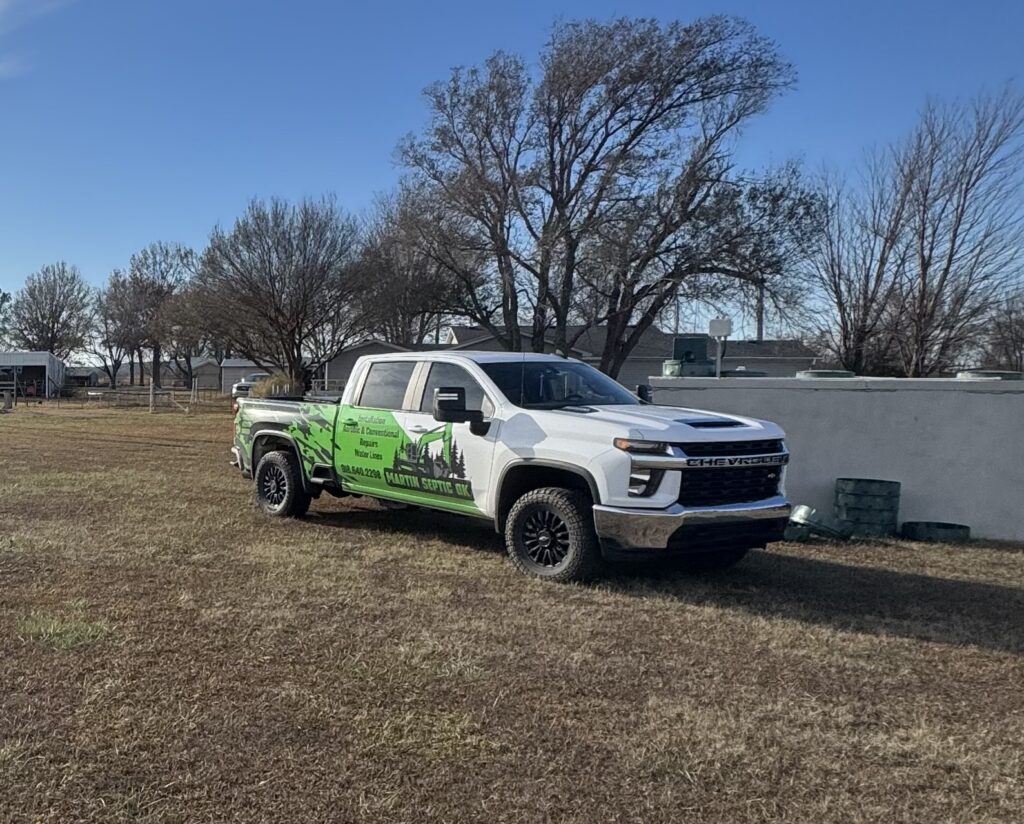
Martin Septic is a full service septic company based in Inola, serving homeowners across the greater Tulsa area. Our crews are DEQ certified for both aerobic and conventional septic systems, which means the person opening your tank actually understands what they are looking at. We are proud members of the Tulsa Home Builders Association and take our reputation in this community seriously. Honest, professionally trained crews handle every job with no shortcuts. When we say full service, we mean pumping, repair, drain field work, design, and installation under one roof. One call covers everything your system will ever need.
We built this company on straight answers and fair dealing. Every estimate is free with no obligation, so you can plan your fall maintenance without pressure. If your tank does not need pumping yet, we will tell you exactly that and give you a realistic timeline. If we find a problem, we explain it clearly, show you the evidence, and lay out your options. Ethos is not a buzzword here; it is how we have earned repeat customers across Tulsa, Broken Arrow, Bixby, Jenks, Owasso, Claremore, Coweta, Wagoner, and beyond. Your trust is worth more to us than any single invoice.
Septic problems do not wait for business hours, and neither do we. Martin Septic offers emergency septic service day or night, every day of the year. That said, the best emergency is the one that never happens, and fall pumping is how you prevent it. Schedule your septic tank pumping now, before the holiday rush fills the calendar and the first freeze hardens the ground. Click here for our septic pumping service to book your fall appointment. Call Martin Septic today at (918) 640-2298 and head into winter with a system you can count on.